
Beyond the Icebox: 11 Foods That Don't Belong in Your Freezer
While the freezer is a valuable tool for preserving many ingredients and reducing food waste, not all foods are suitable for freezing. Attempting to freeze certain items can dramatically alter their texture, flavor, and overall quality, often rendering them unappetizing or inedible. Understanding which foods to keep out of the deep freeze can save you money and culinary disappointment.
Olley News Insight: Food waste is a significant issue impacting household budgets and local resources. According to recent data, households can lose hundreds of dollars annually to spoiled groceries. Proper food storage, including knowing what not to freeze, is a simple yet effective step toward maximizing your food's lifespan and minimizing waste in Olley homes.
Dairy Products: Milk, Cream, Yogurt, and Sour Cream
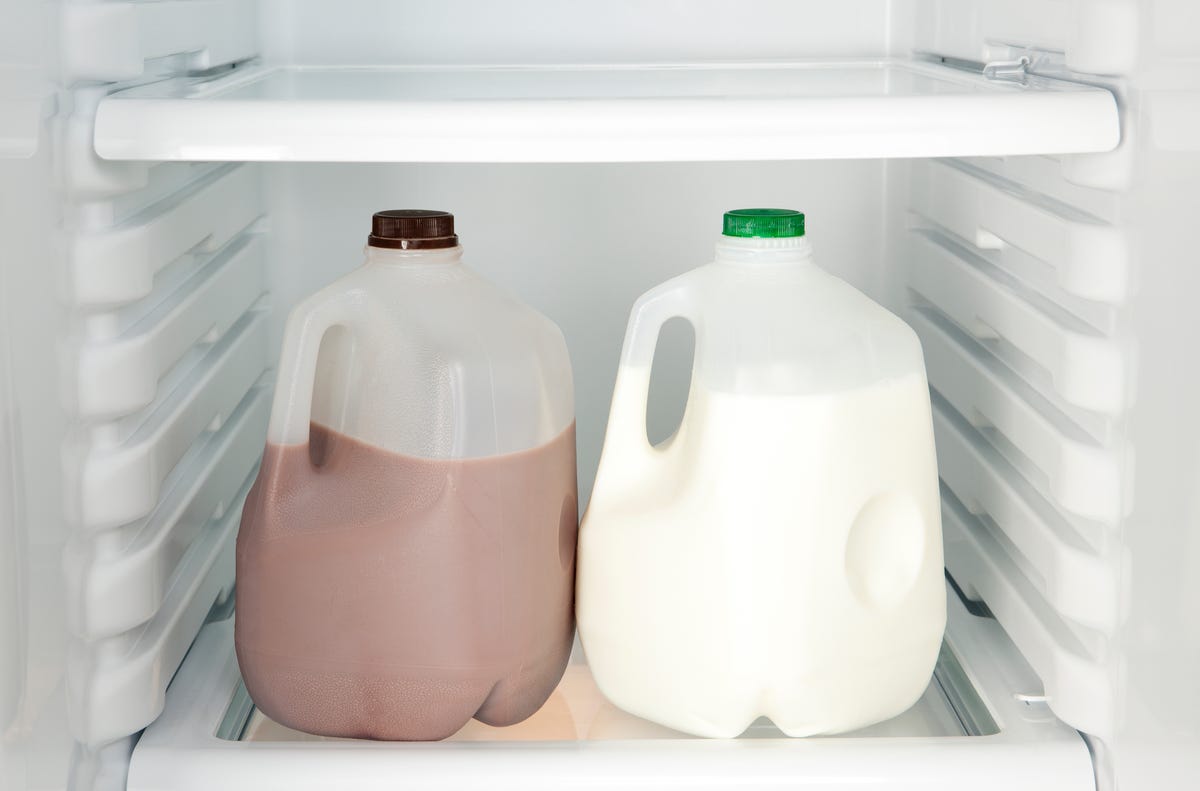
Most dairy products, including milk, cream, yogurt, and sour cream, do not freeze well. Upon thawing, they tend to separate and curdle, resulting in a grainy, watery, or lumpy consistency that cannot be reversed. Nut milks are a notable exception, often freezing with more success, while ice cream's high sugar content allows it to remain soft and palatable even when frozen.
Raw Potatoes
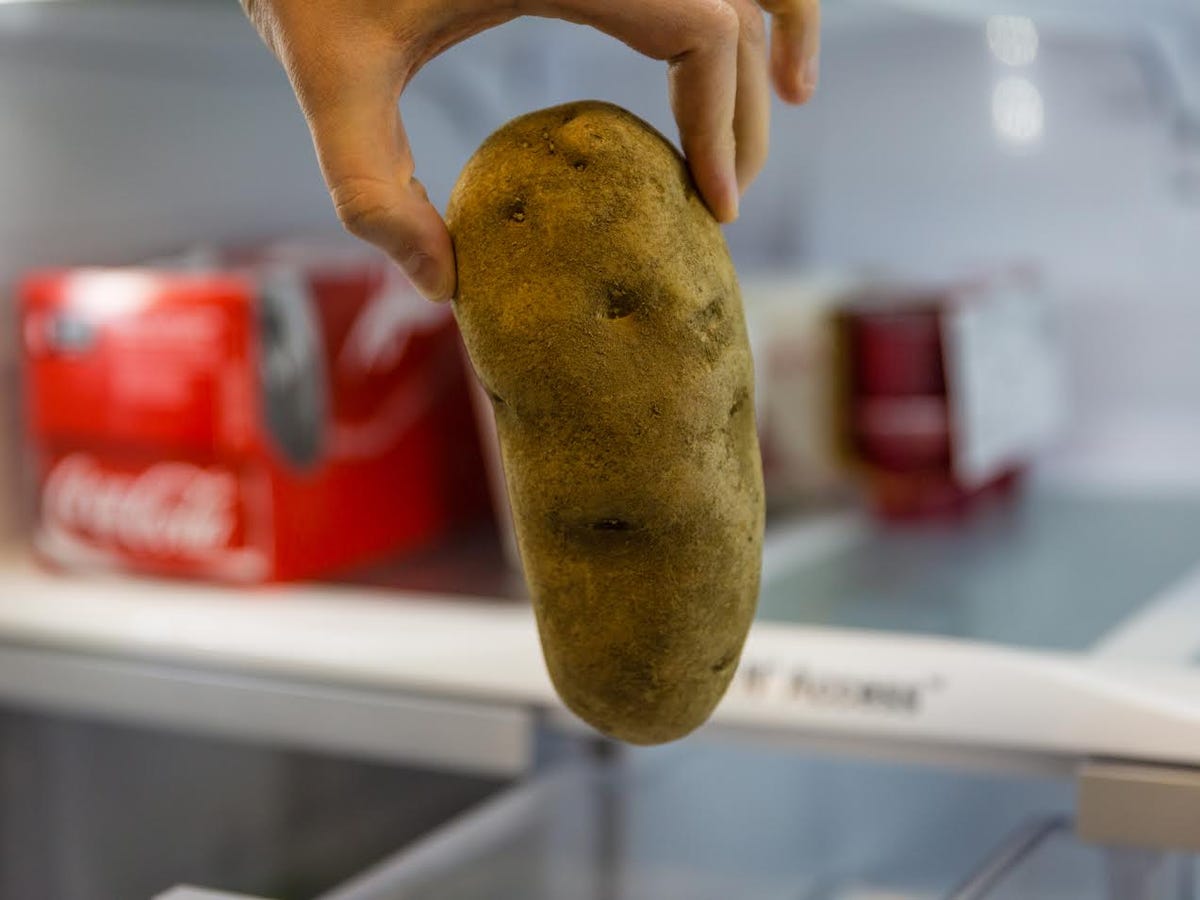
Raw potatoes become mushy and grainy after being frozen and thawed. This undesirable texture is due to the separation of water from the potato's starch. Partially or fully cooked potatoes, such as parboiled or blanched varieties, can be frozen more successfully as much of their water content has already been removed.
Soft Cheeses

Freezing can lead to the formation of ice crystals in cheese, fundamentally altering its flavor and texture. This issue is particularly pronounced with soft and moldy cheeses, which can become crumbly or mealy. Harder varieties like cheddar or Monterey Jack may be frozen if first grated and stored in a flat, airtight bag, though quality may still diminish.
Fried Foods

The distinctive crispness of fried foods is lost when frozen, as the breading absorbs moisture from the freezer, resulting in a soggy texture upon thawing. Furthermore, the oil in fried foods may not freeze completely and can spoil before other components, potentially leading to unpleasant flavors and food safety concerns.
Raw Whole Eggs and Egg-Based Condiments
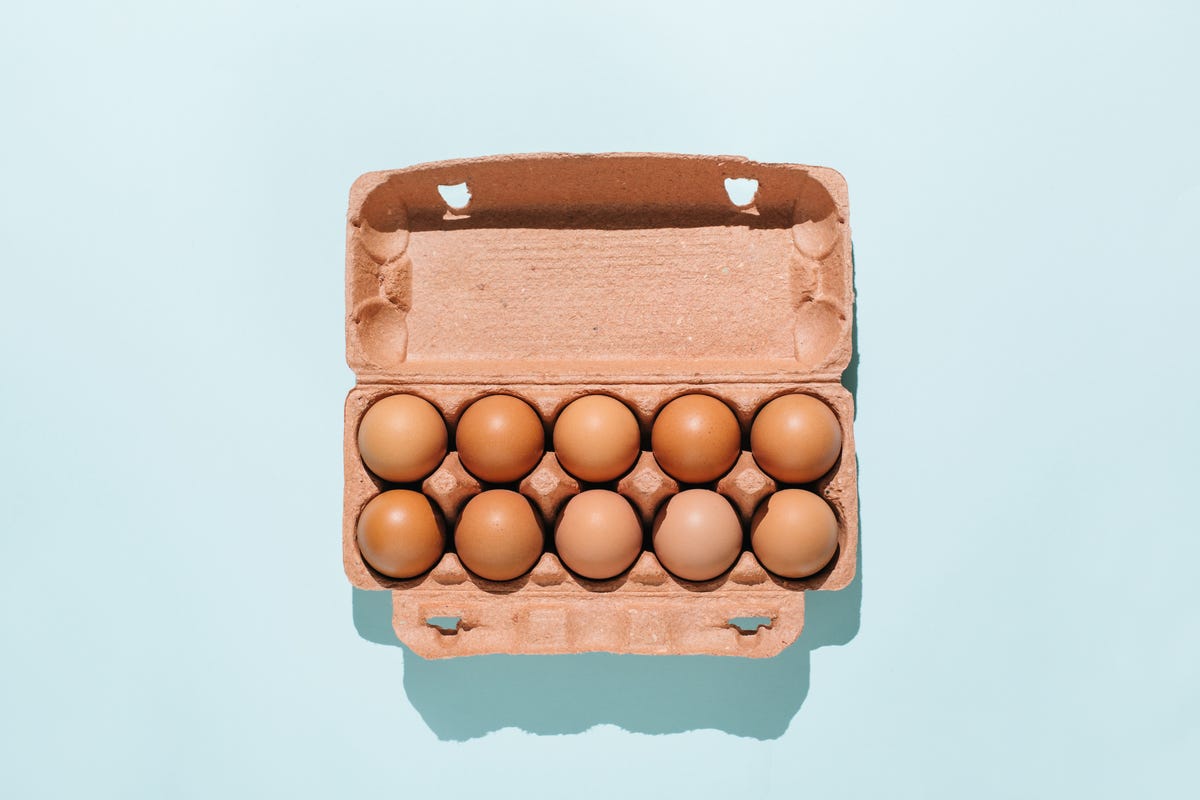
Freezing raw whole eggs can cause the liquid inside to expand and crack the shells. The yolks also undergo "gelation," making them thick and rubbery once thawed, unsuitable for most cooking applications. Similarly, egg-based condiments like mayonnaise will separate and become lumpy, rendering them unusable.
Delicate Salad Greens

While heartier greens such as kale and spinach can often withstand freezing, delicate, water-dense varieties like mixed greens, mesclun, romaine, and iceberg lettuce will wilt and become mushy after thawing. These are best kept fresh in the refrigerator's crisper drawer.
High Water Content Vegetables

Vegetables with high water content, including tomatoes, cucumbers, and celery, do not freeze well. The water inside their cells expands during freezing, causing the cell walls to rupture. Upon thawing, these vegetables become soft, watery, and lose their crisp texture, making them unsuitable for fresh consumption.
Avocado
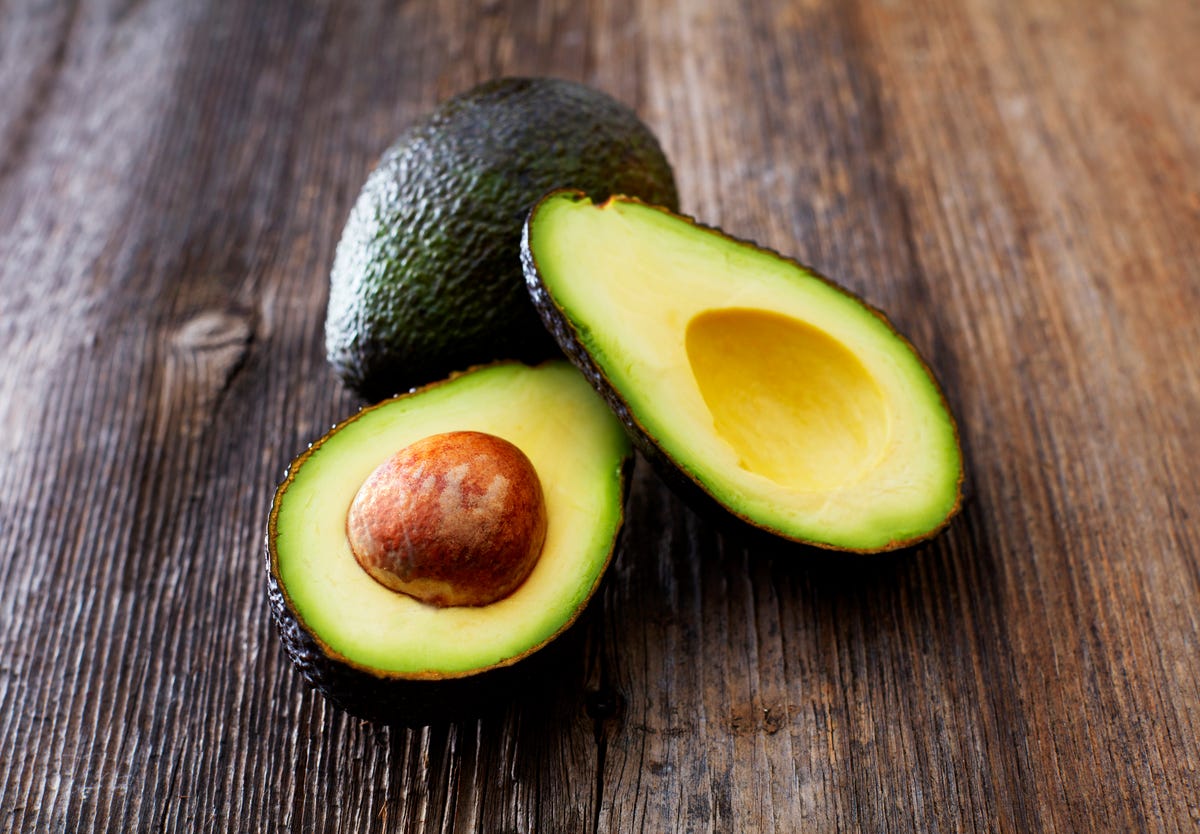
The delicate texture of avocado is severely compromised by freezing. Thawed avocado often turns brown and develops an unappetizing mushy consistency, rendering it unsuitable for dishes like guacamole or toast. However, frozen avocado can still be used as an ingredient in smoothies, where its altered texture is less noticeable.
Whole Citrus Fruits

Unlike some denser fruits like berries, whole citrus fruits such as lemons, limes, and oranges do not maintain their integrity when frozen. They tend to become mealy and lose their vibrant texture after thawing. A more effective strategy for preserving excess citrus is to juice them and freeze the juice in ice cube trays for future use in recipes or beverages.
Cooked Pasta and Rice
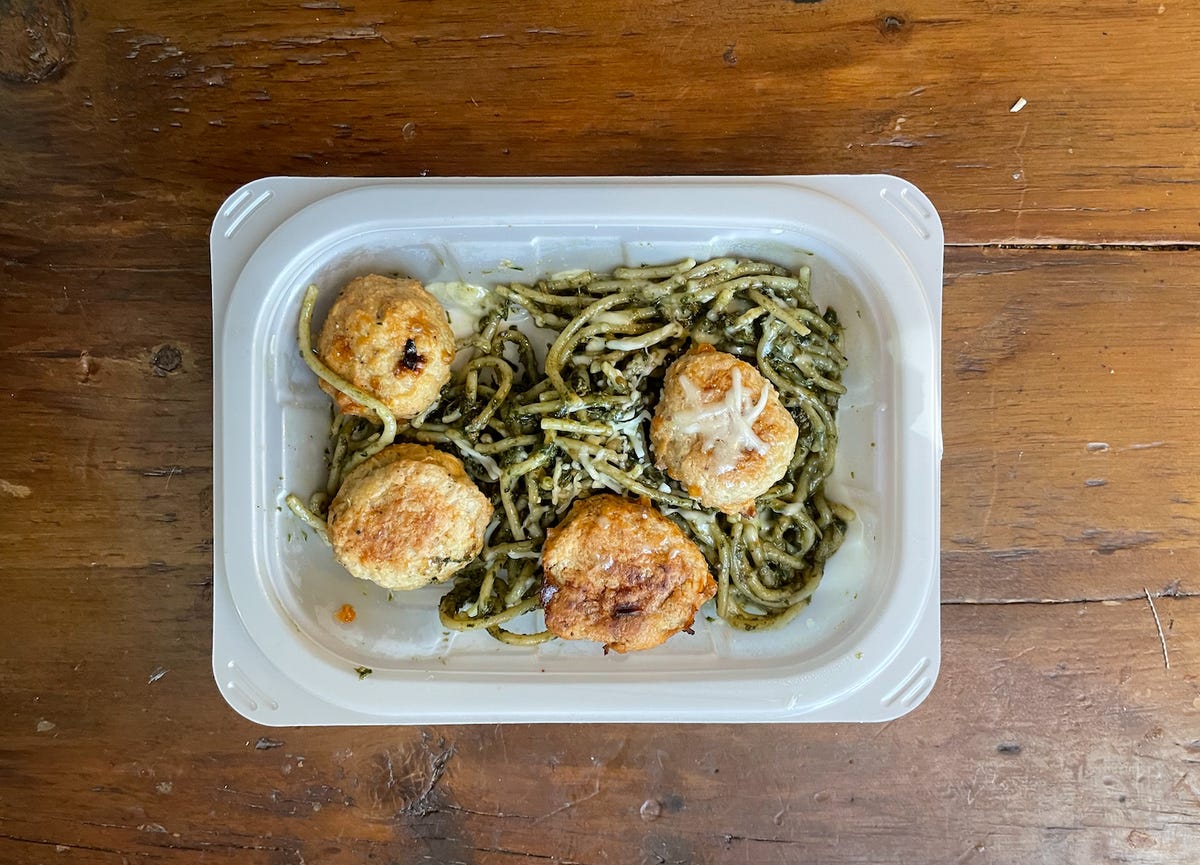
While it is technically possible to freeze cooked pasta and rice, their texture will suffer significantly. The water content within the grains and noodles can cause cells to burst, leading to a pasty, soft, or gloopy consistency upon reheating. For rice, vacuum-sealing might offer slightly better preservation, but the ideal texture is often lost.
Bottled or Canned Carbonated Beverages

Liquids expand when frozen, and this is particularly problematic for bottled or canned carbonated beverages. Freezing them can cause the containers to rupture or explode due to pressure buildup, creating a messy and potentially hazardous situation in your freezer. For quick chilling, a short stint (around 10-15 minutes) in the freezer is sufficient, but always use a timer.
Key Takeaways
- Avoid freezing most dairy products (milk, cream, yogurt, soft cheese) as they will separate and curdle.
- Raw potatoes lose their firm texture and become mushy or grainy after freezing.
- Fried foods become soggy due to moisture absorption, and their oils can spoil prematurely.
- Whole raw eggs expand and crack, while their yolks become rubbery.
- Delicate, water-rich produce like salad greens, tomatoes, and cucumbers lose texture and become watery.
- Avocados and whole citrus fruits suffer from texture degradation; consider freezing avocado in smoothies or citrus as juice.
- Cooked pasta and rice often become pasty or gloopy after freezing and reheating.
- Bottled or canned carbonated drinks can explode due to liquid expansion when frozen solid.


0 Comments