
Cuba Plunges Into Darkness Again with Third Nationwide Blackout in March Amid US Energy Blockade
Cuba has been plunged into darkness for the second time in less than a week and the third time this March, as its national power network experienced another failure on Saturday. The recurring outages are severely straining an energy system already weakened by a United States-imposed oil blockade, significantly impacting the lives of millions across the island.
National Grid Collapses After Plant Failure
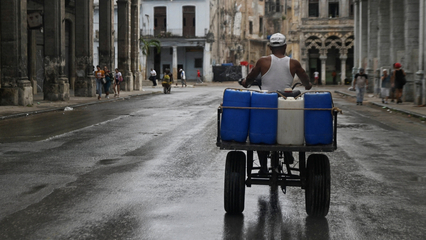
The Cuban Electric Union, an entity reporting to the Ministry of Energy and Mines, initially announced a total blackout across the entire island on Saturday. The cause was later identified as an unexpected failure of a generating unit at the Nuevitas thermoelectric plant in Camaguey province, which led to a " cascading effect" among other online machines.
The Energy Ministry swiftly activated "micro-islands" of generating units to ensure power supply to vital centers, hospitals, and water systems. Authorities are currently engaged in efforts to restore electricity following the widespread outage, which occurred just five days after the previous nationwide blackout.
Life Under Persistent Power Shortages
The persistent power cuts have made daily life increasingly challenging for Cuba's 9.6 million inhabitants. In the capital, Havana, streets were largely dark on Saturday night, with residents relying on phone lights. While some restaurants in the tourist-heavy old city managed to operate with generators, the regular blackouts are creating severe hardships.
Cubans face daily power outages often lasting up to 15 hours in Havana, with conditions reportedly even worse in the island's interior. Nilo Lopez, a 36-year-old taxi driver, expressed widespread frustration, stating, "I wonder if we are going to be like this our whole lives. You can't live like this." The crucial tourism sector is also feeling the pinch, with airlines curtailing flights due to a lack of oil imports since January 9.
US Blockade Fuels Crisis Amid Geopolitical Tensions
The Cuban government has consistently attributed the intensified power breakdowns to an energy blockade imposed by the United States. This blockade gained further traction after President Donald Trump's January warning of tariffs on any country providing or selling oil to Cuba. The situation has also been exacerbated since the capture of Venezuela's socialist leader Nicolas Maduro, a key oil supplier, in a US military operation in January.
President Trump has repeatedly claimed Cuba's government is on the verge of collapse. Following a previous grid collapse, Trump told reporters he believed he would soon have "the honour of taking Cuba," suggesting, "Whether I free it, take it, think I could do anything I want with it, you want to know the truth. They're a very weakened nation right now." Cuban President Miguel Diaz-Canel, in response, warned that "any external aggressor will encounter an unbreakable resistance."
International Aid Arrives to Assist Ailing Island
Amid the worsening humanitarian situation, an international aid convoy began arriving in Havana this week. The mission aims to deliver much-needed medical supplies, food, water, and solar panels to the island, offering a glimmer of hope amidst the severe shortages.
Olley News Insight: The chronic power issues in Cuba highlight the profound impact of long-standing geopolitical tensions and economic sanctions on civilian populations. The US embargo, while intended to exert political pressure, continues to deepen the humanitarian crisis and complicate daily life for ordinary Cubans.
Key Takeaways
- Cuba experienced its third nationwide power outage in March, with the latest occurring on Saturday, leading to widespread darkness.
- The blackouts are caused by both a technical failure at the Nuevitas thermoelectric plant and the ongoing strain from a US-imposed energy blockade.
- Citizens face daily power cuts of up to 15 hours, severely impacting daily life and the vital tourism sector due to a lack of oil imports.
- The Cuban government blames the US energy blockade, while US President Trump has made strong statements regarding Cuba's political future.
- An international aid convoy has started to arrive in Havana, delivering essential supplies to help alleviate the crisis.


0 Comments