
Israeli Military Intensifies Lebanon Campaign, Striking Key Areas Outside Hezbollah Control
The Israeli military has significantly escalated its attacks across Lebanon this week, extending its operations to areas previously untouched and outside the traditional strongholds of Hezbollah. These intensified strikes have resulted in civilian casualties, widespread displacement, and the destruction of infrastructure, amidst Israel's declared intent to establish a long-term security buffer zone in southern Lebanon.
Escalation and New Targets Emerge
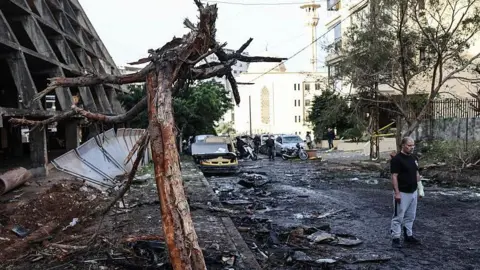
Strikes have reportedly hit a vehicle north of Beirut and the Jnah neighbourhood in the heart of the capital without prior warning. Attacks also continued in the city's southern suburbs and across the country's south, regions known for Hezbollah's presence. In one incident, a building on the road to Beirut's airport was destroyed following an evacuation order.
Israel's military confirmed it struck Hezbollah infrastructure in Beirut, stating it had killed a senior commander and another high-ranking figure from the Iran-backed armed group. Hezbollah joined the broader regional conflict on March 2nd, launching missiles towards Israel following an earlier US and Israeli action against Iran on February 28th.
Civilian Impact and Humanitarian Crisis Deepens
The Mansourieh area, a predominantly Christian residential neighbourhood north of Beirut, saw a vehicle targeted on Tuesday. Following an attack after midnight, the Al-Zahraa Hospital in Jnah reported receiving and treating a number of injured individuals. Residents like Hassan Jalwan reported hearing "big explosions" overnight, noting that displaced people in the area have been forced to sleep in the open.
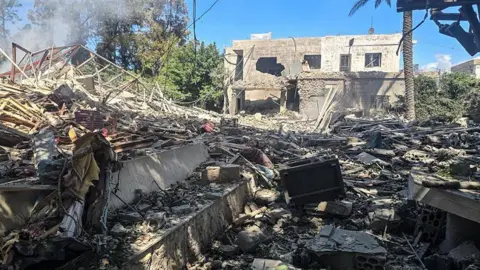
In the south, a strike on a health facility tragically killed a paramedic, contributing to the Lebanon health ministry's report of at least seven deaths from Israeli strikes in the region on Tuesday. The total number of health workers killed since the conflict began has now reached 53. The Lebanese army also withdrew from its last positions in Ain Ibel and Rmeish villages after an army checkpoint was hit and a soldier killed by an Israeli air strike, an incident the Israeli military has not yet commented on. Despite the dangers, some residents, including Father Najib Al Amil in Rmeish, have vowed to remain.
Israel's Proposed Buffer Zone and International Concerns
Israel has announced its decision to control significant territory in southern Lebanon, extending up to the Litani River, approximately 30km from its border, to create a buffer security zone. Israeli Defence Minister Israel Katz stated that Israel would maintain security control over this territory even after the current conflict against Hezbollah concludes, a plan that has drawn criticism from the United Nations.
The ramifications for the civilian population are severe. Supply lines to the south have been severed due to Israeli targeting of bridges and infrastructure, rendering many villages uninhabitable. Minister Katz indicated that over 600,000 displaced Lebanese residents would be "completely prohibited" from returning to this area until the safety of northern Israeli residents is guaranteed. He also warned that all houses in villages near the border in Lebanon would be destroyed, citing the model of Rafah and Beit Hanoun in Gaza.
The ongoing conflict has claimed the lives of 1,268 people in Lebanon since its inception, according to the country's health ministry. The UN reports that more than one million people have been displaced. The Lebanese government has condemned Israel's actions as a violation of the country's sovereignty, recalling South Lebanon's nearly 18-year occupation by Israel between 1982 and 2000. For the hundreds of thousands uprooted from their homes, the war shows no immediate signs of abatement.
This latest escalation marks a significant shift in the conflict, extending the theatre of operations beyond traditional engagement zones. The proposed buffer zone and the rhetoric surrounding it raise serious international concerns about sovereignty, humanitarian law, and the long-term stability of the region, echoing past periods of occupation in South Lebanon.
Key Takeaways
- Israeli attacks in Lebanon have intensified and expanded beyond established Hezbollah strongholds, reaching central and northern areas of Beirut.
- Civilian areas have been hit, causing injuries and displacing populations, with specific incidents reported in Jnah and Mansourieh.
- A health facility was struck in the south, killing a paramedic among other casualties, bringing the total health worker deaths to 53.
- Israel declared its intent to maintain a long-term buffer security zone up to the Litani River in southern Lebanon, a move criticized by the UN.
- Hundreds of thousands of Lebanese remain displaced, with Israel stating they will be prohibited from returning to the buffer zone and threatening widespread destruction of border villages.
- The situation evokes historical parallels to previous Israeli occupations in South Lebanon, raising fears of prolonged conflict and instability.


0 Comments