
US-Israeli Strikes Kill Dozens in Iran, Tehran Vows 'In Kind' Retaliation Amid War Crime Accusations
Massive US and Israeli airstrikes across Iran have claimed at least 34 lives, including six children, following a presidential ultimatum regarding the Strait of Hormuz. Tehran has condemned the attacks and President Trump's threats as "incitement to war crimes," promising an "in kind" response to any further assaults on its infrastructure.
Deadly Strikes Devastate Iranian Cities
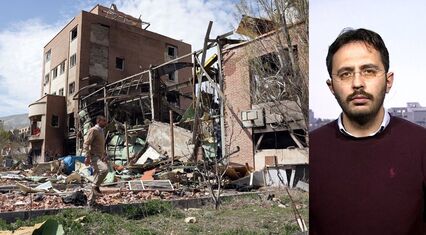
A series of coordinated attacks by the United States and Israel targeted various locations across Iran, including residential areas and a top university. The Fars news agency reported on Monday that 23 people, among them four girls and two boys under 10, were killed in an air attack in Tehran province’s Baharestan County. At least 12 cities, including Bandar Abbas, Ahvaz, Mahshahr, Shiraz, Isfahan, and Karaj, have been hit.
Further casualties were reported in Qom, where five people died in a residential building strike, and in Bandar-e Lengeh, which saw six fatalities. The strikes commenced after US President Donald Trump issued a Tuesday deadline for Iran to fully reopen the Strait of Hormuz or face military action against its power plants and bridges.
Key Infrastructure and Academia Targeted
Among the critical targets was Sharif University in Tehran, one of Iran's leading scientific institutions, often likened to the US's Massachusetts Institute of Technology (MIT). Al Jazeera’s Tohid Asadi, reporting from Tehran, stated the university suffered extensive damage, particularly in its mosque and laboratories. The area also saw attacks on a gas facility.
Civil facilities, including roads, power plants, and bridges, were also specifically targeted across Iran. The Ministry of Science and Technology confirmed that at least 30 universities have been hit since the conflict began on February 28.
Iran Vows Retaliation, Cites War Crimes

Tehran has issued strong warnings of retaliatory action, affirming its intent to respond "in kind" to any assaults on its infrastructure. Ministry of Foreign Affairs spokesman Esmaeil Baghaei condemned President Trump's "expletive-laden threat" on Truth Social as an "incitement to war crimes and crimes against humanity," asserting that Iranians would not be coerced into an unfavorable agreement.
The Strait of Hormuz, a crucial choke point for approximately 20 percent of global oil and gas trade, has been under an effective Iranian blockade in response to the ongoing conflict. Ali Akbar Velayati, an adviser to Iran’s Supreme Leader Mojtaba Khamenei, emphasized the potential for a single misstep to severely disrupt global energy flows and international trade.
Olley News Insight: The Strait of Hormuz is a vital international maritime passage. Iran's effective blockade of the strait has significant implications for global energy markets, amplifying the geopolitical stakes of the current conflict.
Missile Attacks Strike Israel
Concurrently, Israel experienced several missile attacks, triggering alarms in multiple parts of the country. Official Israeli radio reported four volleys of Iranian missiles launched in the early morning hours on Tuesday. Rescue workers in Haifa pulled two bodies from rubble, with two residents still missing.
Ambulance and civil defense services reported numerous injuries, some serious, across more than 20 locations, including Tel Aviv, Petah Tikva, and Ramat Gan. Ynet News stated a 34-year-old woman was "seriously injured" by interceptor missiles in Petah Tikva, while Channel 2 broadcast images of smoke over Gush Dan and Bnei Brak, along with minor building damage in Tel Aviv.
Key Takeaways
- US-Israeli strikes have killed at least 34 people in Iran, including six children, targeting residential areas and universities.
- The attacks followed a US deadline for Iran to reopen the Strait of Hormuz or face strikes on its infrastructure.
- Iran vows an "in kind" response to attacks and labels Trump's threats as "incitement to war crimes."
- Sharif University and at least 30 other Iranian universities have been hit since the war began on February 28.
- Israel also faced missile attacks, resulting in casualties and damage in Haifa, Tel Aviv, and other cities.


0 Comments