
Hungary's Viktor Orban Faces Unprecedented Challenge Ahead of Pivotal Election
In a surprising turn of events, Hungary's long-serving Prime Minister Viktor Orban and his Fidesz party are grappling with their most significant electoral challenge in 16 years. With just a week left until the April 12 parliamentary election, opposition leader Peter Magyar's newly formed Tisza party has surged in popularity, threatening to unseat Europe's longest-serving leader and send shockwaves through the international populist movement he champions.
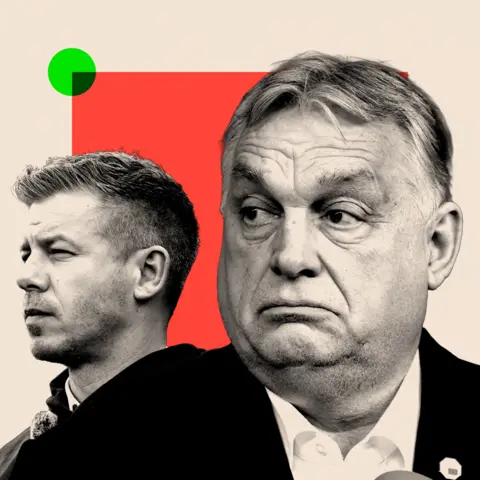
Orban's Dominance Shaken Amidst Opposition Surge
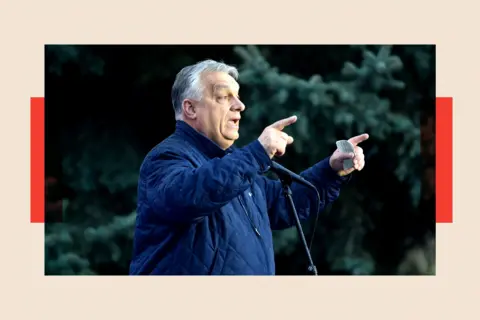
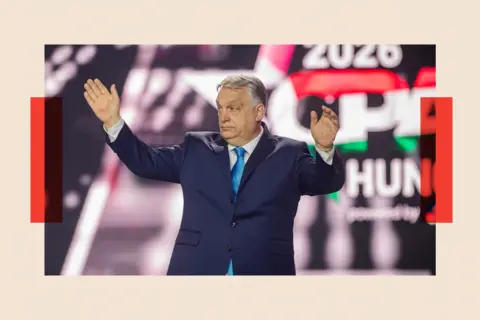
Viktor Orban, known for his carefully cultivated image as a voice of calm, recently displayed an uncharacteristic outburst at a mass election rally in Györ on March 27, lashing out at opposition protesters. This rare display of temper highlights the mounting pressure on the Fidesz leader, who has enjoyed virtually unchallenged rule since 2010.
Opinion polls now place the opposition Tisza party, led by Peter Magyar, significantly ahead of Fidesz, with one recent survey showing 58% support for Tisza against Fidesz's 35%. After three elections with minimal campaigning, Orban is now actively touring the country to mobilize his base and sway undecided voters in a last-ditch effort to rescue his government from a potential crushing defeat.
Mounting Accusations of Corruption and Elite Disconnect
A key dynamic in this election mirrors broader European trends: the same anti-"corrupt ruling elites" sentiment that has swept the continent is now directed at Orban himself. Many Hungarians, particularly the young, increasingly perceive Orban and Fidesz as the "corrupt ruling elite."
His government faces repeated accusations of draining state coffers and awarding state tenders to companies linked to close associates, including his son-in-law, Istvan Tiborcz, and childhood friend, Lörinc Meszaros, who has become the nation's wealthiest man. Orban dismisses these criticisms, stating the concentration of wealth is an attempt to keep it in national, rather than foreign, hands.
Fidesz's Campaign Tactics: "Peace or War" and Allegations of Intimidation
As the election approaches, Fidesz is framing the choice as one between "peace and war," asserting that only Orban can prevent Hungary from being dragged into the Ukraine conflict by "warmongers" in Brussels. This narrative aims to resonate deeply in a country historically scarred by war, portraying Peter Magyar as a puppet of the EU and NATO.
Concerns are also surfacing regarding alleged voter intimidation tactics in Fidesz heartlands, particularly in small towns and villages. An investigative documentary claims that mayors have been instructed to secure specific vote counts, with incentives such as cash payments (€120 per vote), food coupons, prescription medicines, and even illegal drugs allegedly offered in exchange for votes. Those refusing are reportedly denied access to public works schemes, often the only local work available. Fidesz officials deny widespread wrongdoing, attributing the claims to opposition attempts to delegitimize election results.
The Russian Connection: A Divisive Stance
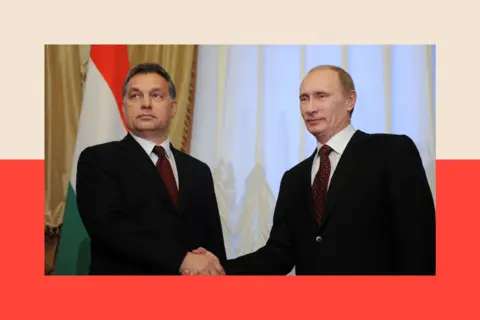
Orban's government maintains a uniquely pro-Russian stance within the EU, refusing to reduce reliance on Russian oil and gas. This position underpins the Fidesz narrative that cheap Russian energy allows for capped utility bills, a popular policy. Fidesz has prominently painted Ukraine and its leader, Volodymyr Zelensky, as the enemy, as seen on giant billboards.
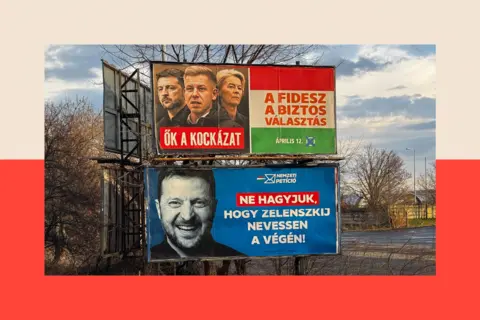
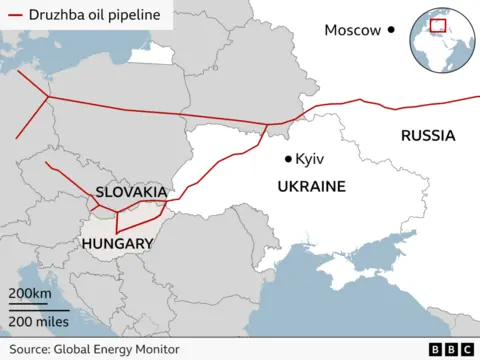
Recent disruptions to Russian crude oil supplies via Ukraine's Druzhba pipeline, which Orban blames on Ukraine, further fuel this "peace or war" message. However, recent polls suggest declining public acceptance of Fidesz's pro-Russian narrative, with a growing majority believing Russia committed an unprovoked act of aggression against Ukraine.
Peter Magyar: The Unlikely Challenger Emerges
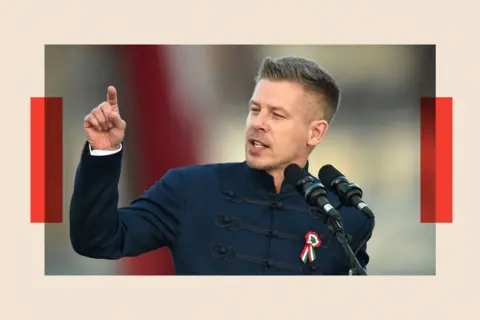
Peter Magyar, a 45-year-old former Fidesz insider, diplomat, and ex-husband of a Fidesz justice minister, has rapidly transformed into a formidable opponent. His dramatic departure from the party in February 2024 and subsequent accusations of cowardice and corruption against the government garnered immense public attention. Leading the Tisza party, named after a Danube tributary, Magyar has tirelessly toured the countryside, attracting large crowds even in Fidesz strongholds.
Magyar, a Budapest lawyer by training, counters Orban's focus on global politics by emphasizing domestic issues such as healthcare, education, transport, and rural depopulation, promising a "more humane, better functioning country." He pledges to diversify energy resources away from Russia and restore Hungary's standing within the EU and NATO. Despite past controversies, including allegations of domestic abuse which he denies, Magyar's direct and honest communication style, often broadcast live on Facebook, has resonated widely, especially with younger voters.
Global Referendum: Hungary's Election Impacts International Populism
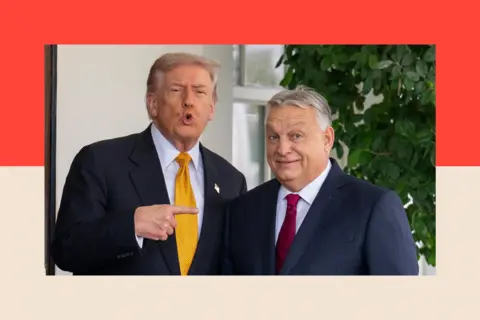
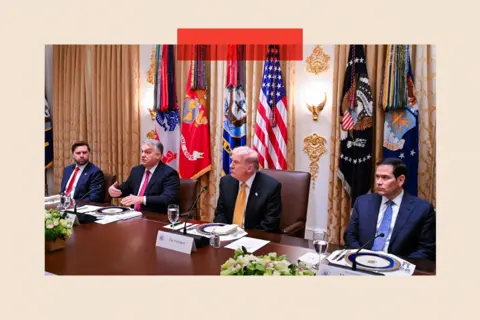
The Hungarian parliamentary election is being closely watched worldwide due to its profound international implications. Michael Ignatieff, former rector of the Central European University, describes it as a "referendum on that whole model of authoritarian rule that Orban represents." Budapest has served as a headquarters for illiberal democracy, attracting right-wing influencers and US political figures such as Marco Rubio and JD Vance, who have publicly supported Orban.
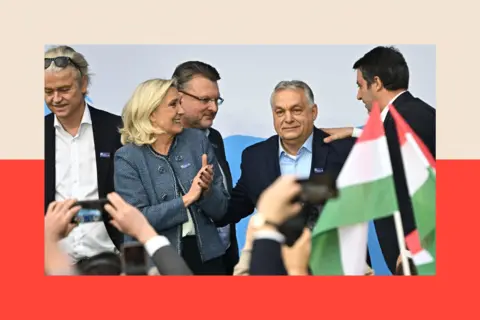
A Fidesz defeat would significantly diminish momentum for far-right parties across Europe, while a victory would further embolden them. The outcome could determine whether Hungary continues down a path of "rigid autocracy," as warned by former Supreme Court President Andras Baka, or begins the challenging task of restoring independent institutions like the courts, public media, and intelligence services.
Key Takeaways
- Prime Minister Viktor Orban and his Fidesz party face their toughest election in 16 years, with just a week remaining.
- Opposition leader Peter Magyar's Tisza party leads significantly in recent opinion polls, threatening Orban's long-standing rule.
- Public perception has shifted, with Orban's government now seen by many, especially the young, as a "corrupt ruling elite."
- Fidesz's campaign emphasizes a "peace or war" narrative, linking opposition to conflict with Russia and blaming Ukraine for energy issues.
- Allegations of widespread voter intimidation and vote-buying schemes by Fidesz in rural areas have surfaced.
- Peter Magyar, a former Fidesz insider, promises domestic reforms, a pro-EU stance, and energy diversification away from Russia.
- The election is viewed globally as a referendum on authoritarian rule, with significant implications for populist movements across Europe and beyond.
Olley News Insight: This Hungarian election transcends local politics, representing a critical juncture for the future of democratic governance in Central Europe and potentially reshaping the landscape of international populist movements. The outcome will be closely scrutinized for its ripple effects on EU cohesion and global political alliances.


0 Comments