
India's Piped Gas Supply Under Scrutiny Amid Iran Conflict Escalation
Following recent disruptions to India's liquefied petroleum gas (LPG) market, the escalating conflict in Iran is now casting a shadow over the nation's rapidly expanding piped natural gas (PNG) network. Observers are keenly watching whether the crucial energy artery, vital for millions of homes and businesses, will be the next to face pressure.
Growing Demand for Piped Gas
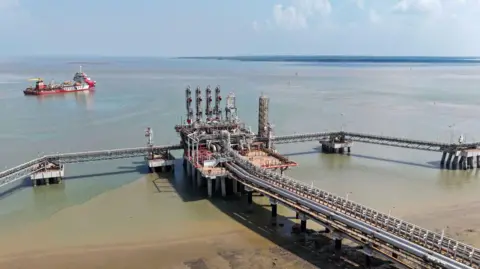
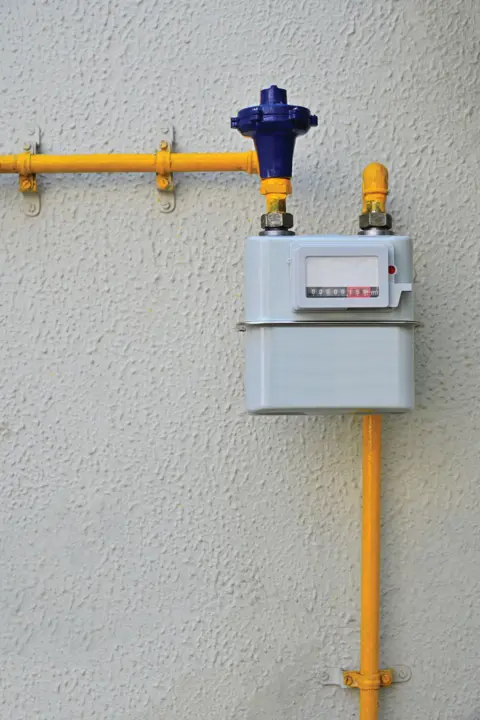
India is witnessing significant growth in its piped natural gas (PNG) network, serving homes, businesses, fertiliser plants, and gas-fired power generation. This expansion aims to shift households from traditional cylinders to gas on tap, with over 15 million PNG connections nationwide and numbers rising steadily.
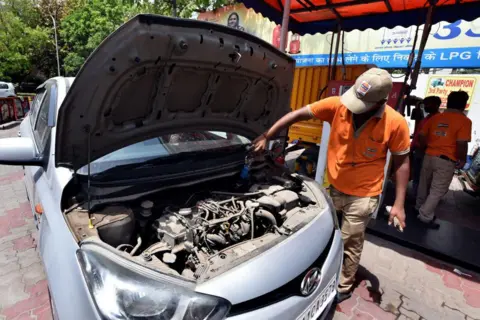
Compressed Natural Gas (CNG) for vehicles has also seen a consistent rise, establishing itself as India's second-largest auto fuel after petrol, further driving demand within the city gas networks.
Immediate Outlook for Domestic Consumers
Despite growing concerns, direct disruption to piped gas supply for Indian homes and vehicles is not immediately anticipated. The government has designated these sectors as priorities, ensuring their supply even amidst potential shortages.
However, industrial and commercial customers are already experiencing the impact. Companies like Haryana City Gas Distribution Limited report that around 2,200 of their industrial and commercial clients are facing a government-mandated 20% supply cut, as gas is diverted to protect essential services and household consumption.
India's Reliance on LNG Imports
India's piped gas supply is a blend of domestic production and imported Liquefied Natural Gas (LNG), with imports accounting for roughly half of the country's total gas availability. India imported approximately 24-25 million tonnes in 2025, making it one of the world's largest LNG buyers.
A significant portion of these imports, over half, is secured through long-term contracts with Qatari suppliers. Additional volumes originate from the US, Australia, Russia, and African nations.
The Strait of Hormuz Chokepoint
The escalating conflict in the Middle East has brought the Strait of Hormuz into sharp focus. This narrow maritime passage is critical for approximately 50-55% of India's LNG imports, particularly those originating from Qatar and the UAE.
While some cargoes loaded prior to the conflict's escalation are still reaching India, shipping data indicates that exports from Qatar's giant Ras Laffan LNG complex, a major supplier, have reportedly been halted since March 2. This raises concerns about future shipments if safe passage through the Strait is not swiftly restored.
Vulnerability and Economic Impact
Unlike crude oil, India does not maintain strategic reserves of LNG, relying instead on modest working inventories at regasification terminals, which typically cover only one to two weeks of imports. This limited storage highlights a structural vulnerability to prolonged supply chain disruptions.
Should disruptions at the Strait of Hormuz persist, the primary impact on Indian consumers and industries will likely be felt through higher prices rather than outright shortages. Industry and power generators are expected to bear the brunt of deeper supply cuts and increased costs, potentially switching to alternative fuels to maintain operations.
The situation underscores the intricate global interconnectedness of energy markets. While India's government aims to shield its domestic consumers, prolonged instability in critical shipping lanes like the Strait of Hormuz inevitably translates into higher costs and tough choices for energy-dependent economies worldwide.
Key Takeaways
- The Iran conflict poses a potential threat to India's piped natural gas (PNG) supply, following earlier impacts on its LPG market.
- Domestic PNG and CNG supply for homes and vehicles is prioritized by the government, but industrial users are already facing mandated supply cuts.
- India imports approximately half its gas as LNG, with over 50% sourced from Qatar via the critical Strait of Hormuz.
- Exports from Qatar's major LNG complex have been reported as halted since March 2, raising concerns about future shipments.
- India lacks strategic LNG reserves, maintaining only 1-2 weeks of operational stock at regasification terminals.
- The immediate risk for domestic consumers is an expected rise in prices, while industries are likely to face deeper supply cuts and increased fuel costs.


0 Comments