
US Lifts Some Iranian Oil Sanctions Amid Energy Crisis, Draws Scrutiny
The United States has made a significant policy shift, temporarily lifting sanctions on certain Iranian oil sales in an urgent bid to stabilize global energy markets, which have been severely impacted by ongoing conflicts. The move, announced by Treasury Secretary Scott Bessent, aims to release millions of barrels of crude oil currently stranded at sea.
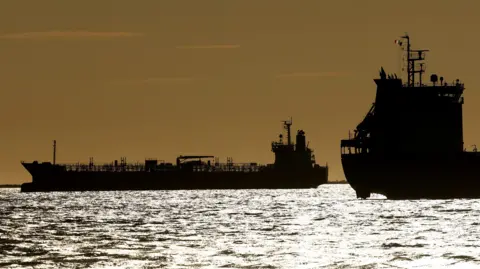
Temporary Sanction Relief Announced
Treasury Secretary Scott Bessent announced the issuance of a narrowly tailored, short-term authorization permitting the sale of Iranian crude oil and petroleum products currently loaded on vessels. This authorization is effective immediately and will last until April 19.
The Treasury Secretary indicated this measure is expected to bring approximately 140 million barrels of oil to global markets quickly. Experts, however, caution that the reversal of long-standing American policy presents an uncertain pay-off, potentially having a limited effect on prices while possibly boosting funds for the Iranian regime.
Rethinking Global Oil Distribution
Before the current conflict, China was the primary purchaser of Iranian oil, acquiring barrels at a steep discount due to existing sanctions. Secretary Bessent expressed hopes that the waiver could redirect these supplies to countries like India, Japan, and Malaysia, thereby compelling China to pay market prices.
However, Bessent did not elaborate on the specific mechanisms of the waiver or how it would prevent revenue from flowing back to the Iranian government, which the US is actively targeting.
Experts Question Efficacy and Risks
Industry experts have reacted with skepticism and concern. David Tannenbaum, director of Blackstone Compliance Services, described the move as "bananas," highlighting the risk that allowing Iran to sell oil could inadvertently fund its war efforts. President Donald Trump, when questioned, offered a non-committal response, stating the US would "do whatever is necessary to keep the price."
Rachel Ziemba, an adjunct senior fellow at the Center for a New American Security, echoed these concerns, predicting a limited impact on prices and raising questions about the practical challenges of preventing funds from reaching the Iranian government. She noted that the US government is in an "every-barrel-counts situation" given the severity of the global supply shock.
Broader US Strategy and Global Supply Woes
This latest action is part of a series of measures undertaken by the US to alleviate supply pressures. Previous efforts include the release of millions of barrels from oil reserves and the temporary suspension of some sanctions on Russian oil, a decision that drew criticism from European leaders concerned about strengthening Vladimir Putin's regime.
The global energy landscape remains volatile. Roughly a fifth of daily global oil consumption typically passes through the Strait of Hormuz, which has seen shipping halt since late February. Experts estimate that the conflict has removed about a tenth of the world's supply from the market, with increasing concerns that tit-for-tat attacks on key gas fields could constrain fossil fuel capacity for years.
Key Takeaways
- The US has temporarily lifted sanctions on some Iranian oil sales until April 19.
- The move aims to bring 140 million barrels of stranded Iranian oil to global markets.
- Experts doubt its significant impact on prices and warn it could fund the Iranian regime.
- The US hopes to redirect oil from China to other nations, potentially forcing China to pay market rates.
- This is one of several US efforts to counter severe global energy supply shocks.
Olley News Insight: The US's decision to partially reverse its Iranian oil sanctions underscores the extreme pressure facing global energy markets. While a strategic departure, it reflects a desperate search for every available barrel, balancing immediate energy security needs against complex geopolitical objectives and the risk of inadvertently empowering adversaries.


0 Comments