
Trump Extends Pause on Iran Energy Strikes Amid Intense Diplomacy and Military Buildup
US President Donald Trump has announced a 10-day extension to the pause on attacks targeting Iranian energy plants, a critical moment in a conflict now entering its fourth week. This decision comes amidst fluctuating international markets, ongoing diplomatic overtures, and a significant American military reinforcement in the Middle East.
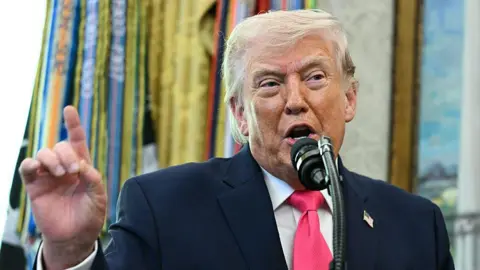
Trump's Second Extension Signals Varied Intentions
President Trump's latest commitment to hold off on what he termed an "obliteration" of Iran's energy infrastructure marks his second extension of this particular threat. Analysts suggest the move serves multiple purposes, including sending strategic signals, diverting attention, and buying crucial time for the White House.
The announcement, made just as Wall Street trading concluded, hints at a desire to stabilize international markets and foster belief in a diplomatic resolution. This 10-day reprieve provides the US administration an opportunity to navigate the strategic challenges it currently faces.
Behind the Scenes Diplomacy
Despite escalating tensions, diplomatic efforts are underway. Messages are reportedly being exchanged between Washington and Tehran through intermediaries, with Pakistan playing a notable role. There is even a suggestion of a potential face-to-face meeting hosted in Pakistan, though expectations among diplomats remain cautiously low.
"There is a lot of smoke and mirrors," one diplomat remarked, expressing skepticism about the emergence of a robust and trusted communication channel. Yet, President Trump maintains that talks are progressing positively.
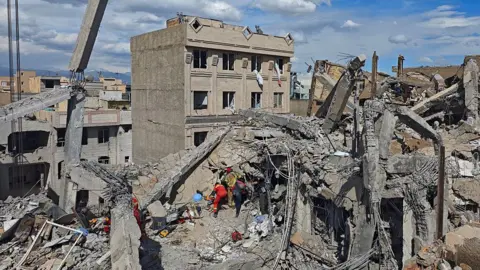
US Military Reinforcements Continue
The pause on energy plant strikes also grants the United States additional time to prepare for potential military action. An expeditionary force of approximately 2,000 US Marines is en route to the Middle East from Japan, complemented by thousands of US paratroopers deploying from California. The Pentagon has refrained from commenting on reports of a potential deployment of an additional 10,000 troops.
These significant troop movements underscore a dual strategy, giving the president more military options should diplomatic efforts falter. It raises questions about whether the US is planning a ground invasion or merely seeking to exert maximum pressure on the Iranian leadership to secure a deal.
Concurrently, US and Israeli attacks on military targets in Iran, such as the overnight strike in Tehran, are continuing, met with ongoing Iranian retaliation.
The Strait of Hormuz Remains Central
In the immediate term, President Trump's extension effectively reinforces the current status quo. Attacks on military targets persist, Iranian retaliation continues, and critically, the Strait of Hormuz remains closed to most merchant traffic. This closure, which began amidst initial discussions of regime change, has evolved into a central point of contention in the conflict.
The 10-day deadline extension allows Iran to maintain its restrictions on this vital global waterway for a longer period, highlighting how control over the narrow strait, crucial for the global economy, has become a defining aspect of the ongoing crisis.
Key Takeaways
- US President Trump has extended the pause on attacks against Iranian energy infrastructure by 10 days.
- This is the second such extension in a conflict now nearly four weeks old.
- Diplomatic messages are being exchanged via intermediaries like Pakistan, but expectations are low.
- Significant US military forces, including Marines and paratroopers, are deploying to the Middle East.
- The Strait of Hormuz remains closed to most merchant traffic, a key point of contention.
- Current attacks on military targets and Iranian retaliation continue.
Olley News Insight: While President Trump's extensions can be seen as delaying tactics, they also indicate a persistent, albeit cautious, pursuit of non-military options, even as military capabilities are significantly enhanced. This delicate balance reflects the high stakes involved for regional stability and the global economy.


0 Comments