
Your Leftovers Could Be a Hidden Source of Microplastics: A Warning for Olley Residents
A common kitchen practice of reheating takeout leftovers in their original plastic containers could be unknowingly introducing harmful microplastics into your food, posing potential health risks. Studies indicate a link between microplastic exposure and various medical issues, including infertility and cancer.

Understanding the Microplastic Threat
Microplastics have become an increasingly prevalent concern in our environment and, alarmingly, in our food supply. Recent scientific investigations have consistently shown that chemical exposure from these tiny plastic particles could contribute to significant health problems. Research suggests potential connections to conditions such as infertility and certain types of cancer.

The Hidden Dangers of Takeout Containers
Many of the plastic containers used for restaurant takeout are not designed to withstand heat. Ricardo Jarquin, Executive Chef of Loews Coral Gables, confirms that most restaurants opt for less expensive, non-heat-safe containers. Materials like Styrofoam are particularly problematic, often melting when microwaved, which clearly indicates their unsuitability for reheating food.
While some containers made from aluminum, cardboard, or paper are typically plastic-free and safer, the safest approach for consumers is to transfer food into appropriate vessels before heating.
Here in Olley, many local eateries utilize standard plastic or foam containers for convenience. While convenient for transport, residents should be mindful of these findings and consider transferring their delicious local leftovers to safer alternatives for reheating.

Choosing Safer Alternatives for Reheating
For safe food storage and reheating, experts like Chef Jarquin and Hope Montgomery of Brick & Mortar recommend using BPA-free or, ideally, glass containers such as Pyrex. Stainless steel and aluminum are also excellent choices for storage, though they should never be used in a microwave. Bringing your own heat-safe containers when picking up takeout is a proactive step to guarantee food safety.
Debunking "Microwave-Safe" Plastic Claims
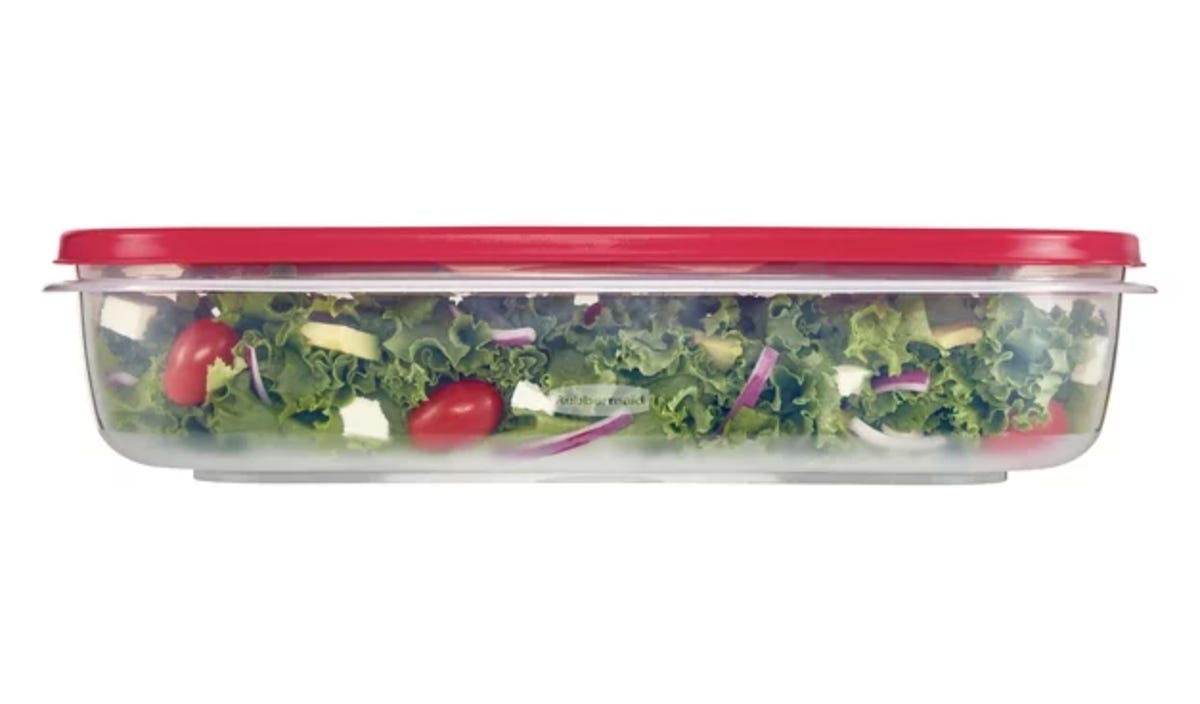
Consumers should be wary of plastic containers marketed as "freezer-safe" or "microwave-safe." This labeling can often be misleading. When heated, plastic can leach chemicals into food, and when frozen, plastic is prone to breaking, potentially contaminating contents. Legal action has been taken against companies like Ziploc and Rubbermaid concerning these advertising practices, underscoring the potential risks.

Best Practices for Reheating Food Safely
Regardless of whether you are concerned about microplastics, always use glass or ceramic containers when reheating food in the microwave. It is crucial to keep any plastic or rubber components, such as lids or utensils, out of the microwave and use them only for serving. While deli containers might be deemed safe for storage, high-temperature reheating is still not advised in them.

Enhancing Taste While Staying Safe
Beyond safety, reheating methods can significantly impact the taste of your leftovers. Culinary experts suggest that stovetop or oven reheating often yields superior results compared to microwaving. A touch of olive oil, butter, or extra seasoning can revitalize dishes. Foods such as stews, curries, lasagna, and certain pasta dishes often benefit from an overnight rest and slow reheating, allowing flavors to deepen and textures to remain appealing.
Minimizing Foodborne Illness Risks
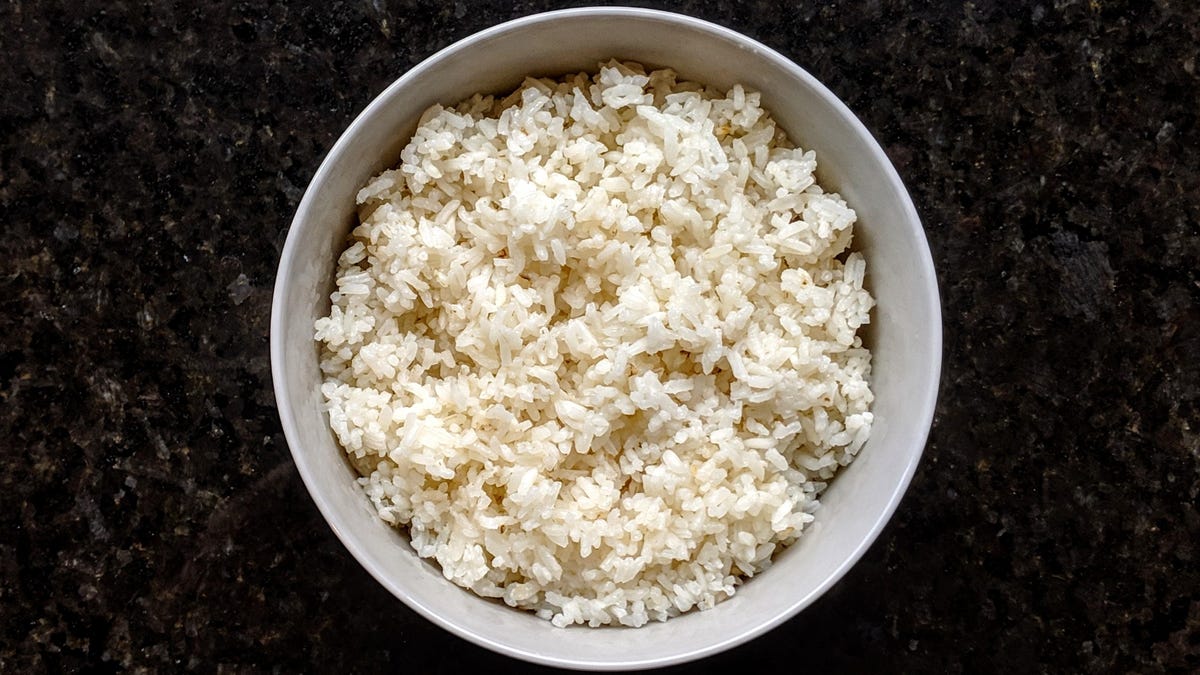
Proper storage and reheating are also critical for preventing foodborne illnesses. The general rule is that food should not be left at room temperature for more than two hours, or one hour if the temperature exceeds 90 degrees Fahrenheit. Beyond these timeframes, bacteria can multiply rapidly, even without visible signs or noticeable odors. Promptly chilling food or serving it hot are essential steps in maintaining food safety.
For comprehensive guidance on food safety, residents are encouraged to consult the CDC's "Four Steps to Food Safety" guidelines.
Key Takeaways
- Reheating food in plastic takeout containers can leach microplastics into your meal, linked to potential health issues.
- Most restaurant takeout containers are not designed to be heat-safe and are often made from cheaper, unsuitable plastics or Styrofoam.
- Opt for glass (like Pyrex), stainless steel, or aluminum containers for storing and reheating food safely.
- Avoid "microwave-safe" plastic containers for heating, as they can still leach chemicals.
- Always use glass or ceramic when microwaving food, and remove all plastic components.
- For better taste and safety, consider reheating leftovers on the stovetop or in the oven.
- Adhere to the two-hour rule for food left at room temperature to prevent rapid bacteria growth and foodborne illness.


0 Comments