
Weight-Loss Drug Prices Decline in US Amid Fierce Competition, But Access Challenges Persist
The cost of popular weight-loss medications like Zepbound and Wegovy has seen significant reductions for self-pay patients in the United States, driven by intense market competition among pharmaceutical giants. While these price adjustments offer relief to some, the direct-to-consumer sales model sparking the trend raises questions about equitable access and the broader landscape of US drug pricing.
Patient Perspective: The Cost of Hope
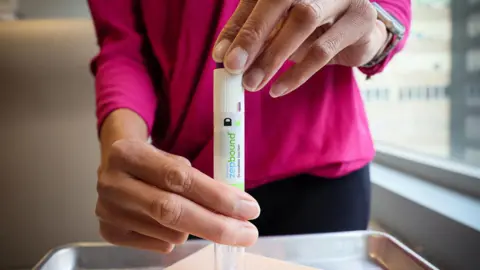
Ruth Gonzalez, a 56-year-old self-employed individual, exemplifies the financial hurdles many face. Paying out of pocket for Zepbound due to lack of insurance coverage, she initially made significant sacrifices, including cutting subscriptions and limiting grocery spending, to afford its monthly cost. Within six weeks, her blood pressure normalized, and she lost over 40lb, alleviating concerns related to sleep apnea and fatty liver disease.
Gonzalez has since benefited from Eli Lilly's price adjustments, which lowered Zepbound vial costs by $50-$100, enabling her to access more powerful doses. She now anticipates even lower-cost options, including a pill form expected soon, highlighting the tangible impact of these market shifts on individuals.
A New Frontier: Direct-to-Consumer Drug Sales
The price cuts in the weight-loss drug market reflect a highly competitive environment. Unlike traditional pharmaceutical sales where prices are negotiated between manufacturers, insurers, and Pharmacy Benefit Managers (PBMs), many private and government insurers have initially refused to cover GLP-1 drugs solely for weight loss. This stance has forced millions of Americans, like Gonzalez, to pay for these medications themselves.
In response, pharmaceutical firms have adopted direct-to-consumer sales strategies, bypassing traditional channels. This includes launching direct sales websites, forging distribution partnerships with major retailers such as Walmart and Costco, and engaging in legal battles against off-label competitors. Crucially, these new strategies have prompted significant price reductions.
Significant Price Reductions Observed
For self-pay patients, the cost of these pioneering medications has fallen dramatically. A starting dose of Wegovy, which listed at over $1,600 a month in 2021, is now available for as little as $149 a month. Similarly, Lilly's Zepbound vials, initially priced at over $1,000 in 2023, now start at $299 a month.
While these prices remain higher than in many other countries, experts predict further declines as patents expire and new, potentially lower-cost, alternatives, including oral medications, enter the market in the coming years.
Policy Spotlight: The TrumpRx Initiative
The success of the direct-to-consumer model in the GLP-1 market has sparked interest in its potential to address the broader issue of high prescription drug costs in the US. By making pricing more transparent and reducing the influence of PBMs, some believe this approach could lead to more affordable medications.
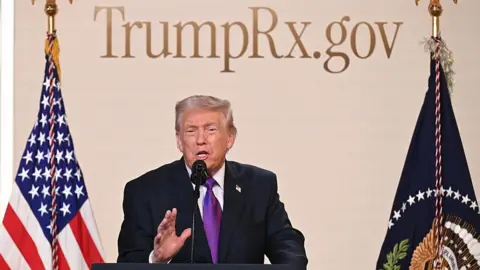
Former President Trump has championed this idea, launching the TrumpRx website in February, which connects consumers directly with manufacturers for a select group of drugs. Drugmakers, who often blame PBMs for inflated costs, have shown receptiveness to exploring direct-to-consumer sales for other therapeutic areas.
The US pharmaceutical market typically involves complex negotiations between drug manufacturers, insurance companies, and Pharmacy Benefit Managers (PBMs). The emerging direct-to-consumer model for GLP-1 drugs, driven by intense competition and limited insurance coverage, bypasses PBMs, offering a glimpse into a potentially more transparent, albeit not universally accessible, pricing structure.
Challenges and Limitations of the DTC Model
Despite the current successes with GLP-1s, it remains uncertain whether the competitive dynamics driving down prices for these weight-loss drugs will translate to other medication categories. Demand for other drugs may be more limited, and fewer companies might be competing in those markets, restricting the impact of a direct-to-consumer approach.
Experts caution that for most patients, utilizing health insurance will likely remain more financially advantageous than purchasing medications directly. While the direct-to-consumer trend increases consumer awareness of drug costs, fundamental systemic solutions are still needed to bring down overall healthcare expenses.
Persistent Affordability Gaps
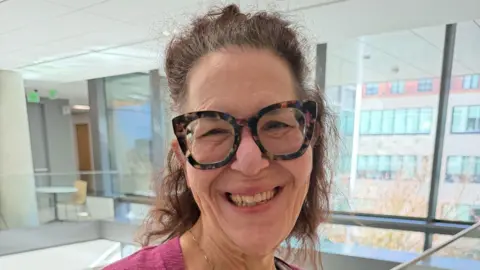
Even with recent price reductions, weight-loss drugs remain out of reach for many Americans. Shekinah Samayah-Thomas, 62, illustrates this challenge. Since January, when California's Medicaid program ceased covering Wegovy for weight loss, she has been unable to afford her medication, despite its critical role in managing her post-bariatric surgery weight.
Despite a diagnosis of sleep apnea, her requests for coverage have been denied. Now out of work along with her husband, even the $25 monthly cost she once paid (through a combination of insurance and manufacturer coupons) is unattainable, highlighting the significant financial barrier that persists for many vulnerable individuals.
Advocacy Pushes for Broader Coverage
Health advocates continue to lobby for expanded insurance coverage for obesity treatments, arguing that a free-market approach is not the optimal way to ensure essential medicine reaches those who need it. They contend that access should not be solely dependent on a patient's ability to pay directly.
A potentially more impactful development is the Trump administration's decision for Medicare to begin covering these drugs on a trial basis starting in July. Advocates hope this move will influence private insurers to follow suit, viewing direct-to-consumer options as a valuable, but short-term, solution that should not overshadow the overarching goal of standard, comprehensive coverage for obesity treatments.
Key Takeaways
- Prices for GLP-1 weight-loss drugs like Zepbound and Wegovy have significantly decreased for self-pay patients in the US.
- This reduction is driven by intense pharmaceutical competition and a shift to direct-to-consumer sales, often bypassing traditional insurance channels.
- Starting doses of Wegovy are now available for as low as $149/month (down from $1,600+), and Zepbound for $299/month (down from $1,000+).
- The direct-to-consumer model has sparked wider interest in potentially lowering broader US drug costs, exemplified by initiatives like TrumpRx.
- Experts caution that the unique market dynamics of weight-loss drugs may not apply to all medications, and insurance coverage generally remains the most financially sensible option for most patients.
- Despite price drops, many individuals, like Shekinah Samayah-Thomas, still face significant affordability barriers due to lack of comprehensive insurance coverage.
- Health advocates are pressing for expanded insurance coverage, viewing direct sales as a temporary measure rather than a sustainable solution for universal access to obesity treatments.


0 Comments