
Russian Oil Tanker Reaches Cuba Amidst Shifting US Stance on Blockade
A Russian oil tanker has successfully delivered a significant shipment to Cuba, marking the first such delivery since January, following what appears to be a softening of the unofficial US oil blockade imposed on the Communist-run island.
Russian Tanker Delivers Crucial Oil Shipment
The Russian tanker Anatoly Kolodkin has entered the waters off the coast of Cuba, carrying a "humanitarian shipment" of 100,000 tonnes of crude oil, according to Russia's Interfax news agency. This delivery is the first oil shipment to reach the island since January and is expected to provide a short-term lifeline for the energy-starved nation.
Apparent US Policy Softening on Cuba Blockade
The arrival of the Russian tanker follows comments by US President Donald Trump, who stated he had "no problem" with countries, including Russia, sending supplies to Cuba. This remark appears to signal a potential loosening of the de facto oil blockade his administration had enforced since early this year, which had severely exacerbated Cuba's existing energy crisis.
Cuba Grapples with Deepening Humanitarian Crisis
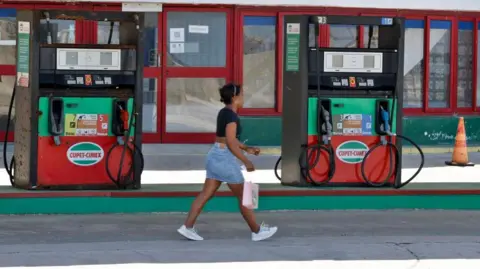
Cuba has been experiencing widespread blackouts and severe fuel shortages, leading to critical conditions across the island. The World Health Organization (WHO) had previously warned that these shortages were severely impacting Cuban hospitals, hindering their ability to maintain essential emergency and intensive care services.
The crisis intensified after January, when US actions against Venezuelan leader Nicolás Maduro, a key oil supplier to Cuba under highly preferential terms, further restricted the island's access to fuel.
The recent shift in US rhetoric concerning oil shipments to Cuba highlights the complex interplay between humanitarian concerns, geopolitical pressures, and diplomatic strategies. While the immediate relief of Russian oil is significant for Cuba, the long-term resolution of its energy crisis remains deeply intertwined with the evolving dynamics of US-Cuba relations.
Russia Cites Humanitarian Grounds for Aid
Russian Minister of Energy Sergey Tsivilev confirmed the shipment, stating on Wednesday that Cuba had "found itself in a difficult situation as a result of sanctions pressure." He emphasized that Russia was "currently sending humanitarian supplies to Cuba" in response.
This move comes despite the US Treasury Department having previously added Cuba to a list of countries barred from receiving Russian oil deliveries just over a week ago, underscoring the sudden nature of Trump's apparent policy shift.
Uncertain Path Ahead for US-Cuba Relations
While the Russian oil provides immediate relief, the fundamental political and economic disagreements between Cuba's Communist government, led by President Miguel Díaz Canel, and the Trump administration persist. Both sides have publicly outlined "red lines" that complicate any progress toward a lasting solution.
Cuba was already grappling with its worst economic and energy crisis since the end of the Cold War, a situation worsened by a decline in tourism post-pandemic and internal economic challenges, all further exacerbated by the de facto fuel blockade.
Key Takeaways
- A Russian oil tanker, the "Anatoly Kolodkin," has delivered 100,000 tonnes of crude oil to Cuba, marking the first such shipment since January.
- US President Donald Trump indicated a softening of the de facto oil blockade, stating he had "no problem" with countries sending oil to Cuba.
- Cuba has faced severe nationwide blackouts and critical fuel shortages, impacting essential services like healthcare, prompting warnings from the World Health Organization (WHO).
- The crisis was intensified by US actions against Venezuela, previously Cuba's primary oil supplier under preferential terms.
- Russia's Minister of Energy stated the shipment was a "humanitarian supply," citing Cuba's difficult situation due to sanctions pressure.
- The long-term resolution of Cuba's energy and economic crisis remains uncertain due to ongoing political stalemates between Havana and Washington.


0 Comments