
Australia Grapples with Widespread Fuel Shortages as Prices Soar Amidst Geopolitical Tensions
Hundreds of petrol stations across Australia have reported running out of at least one type of fuel this week, triggering concerns among motorists and businesses. The widespread shortages come as fuel prices reach record highs, with Prime Minister Anthony Albanese seeking to reassure citizens about the nation's supply security amidst the ongoing conflict in Iran.
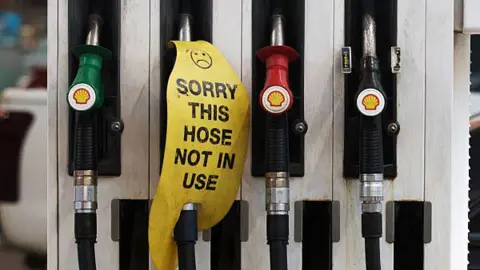
Widespread Fuel Scarcity Reported
Reports from across the country indicate significant disruption, with many independent garages and larger retailers experiencing dry pumps. In Cairns, Queensland, a small independent garage confirmed it had run out of unleaded petrol, with diesel prices reportedly 85% higher than before the war in Iran began. New South Wales, Australia's most populous state, has seen one in seven retailers report shortages of at least one fuel type.
Motorists, including truck drivers, have reported being stranded due to a lack of available fuel, while businesses are highlighting the rising costs as a threat to their operational viability.
Prime Minister Reassures on Supply Security
Prime Minister Anthony Albanese addressed the nation on Friday, stating that Australia's fuel supply remains "secure" despite the current challenges. He acknowledged the potential for greater impact if the "war goes on," but affirmed the government's commitment to "prepare and shield Australians from the worst of it."
Energy Minister Chris Bowen echoed the Prime Minister's sentiments, asserting that Australia's supply of petrol, diesel, and oil for the coming weeks would remain consistent with, or even exceed, normal levels. The government attributes the current shortages primarily to demand and distribution issues, rather than a fundamental lack of supply.
Record Price Hikes Burden Consumers and Businesses
Australia has experienced steep fuel price increases following the US and Israel's attack on Iran and the subsequent closure of the Strait of Hormuz, which caused a significant jump in global oil prices. The average retail price of petrol surged to 238 Australian cents ($1.64; £1.23) per litre as of Sunday, a considerable rise from 171 cents just four weeks prior, according to the Australian Institute of Petroleum.
In Sydney, the price of diesel has reached an unprecedented 314.5 cents per litre as of Thursday, marking its highest-ever price, as reported by the National Roads and Motorists' Association (NRMA).
Panic Buying and Distribution Challenges Cited as Causes
While the government maintains overall supply is stable, NRMA spokesperson Peter Khoury explained that shortages are largely due to altered consumer buying habits. He noted an increase in individuals filling jerry cans and storing fuel at home, alongside transport companies instructing drivers to top up early if diesel is available.
Independent petrol stations are particularly affected, struggling to secure fuel because they typically do not have the long-term contracts with oil companies that larger retailers do, placing them lower on the priority list for deliveries.
Government Response and Upcoming Meeting
In response to the escalating crisis, Prime Minister Albanese is scheduled to convene an emergency national cabinet meeting on Monday to formulate further strategies. The government has so far ruled out fuel rationing as an option.
Existing measures to alleviate shortages include releasing oil from the national stockpile and lowering fuel quality standards. These actions aim to boost immediate availability and reduce pressure on the supply chain.
Additional Global and Domestic Pressures
The fuel crisis has been exacerbated by broader global events. The closure of the Strait of Hormuz, a critical oil transit choke point, following the US and Israel's attack on Iran, has been a major contributor to the global oil price surge. Domestically, a recent cyclone in Western Australia caused outages at two of Chevron's massive LNG plants, Gorgon and Wheatstone, which collectively supply approximately 5% of the global liquefied natural gas market, adding further strain to international energy markets.
Olley News Insight: Australia, a net importer of refined petroleum products, is particularly vulnerable to disruptions in global oil supply chains and international price volatility. The current crisis underscores the interconnectedness of global geopolitical events with local consumer costs and supply stability.
Key Takeaways
- Hundreds of Australian petrol stations are reporting widespread fuel shortages.
- Prime Minister Albanese assures "secure" national fuel supply despite reports of panic buying.
- Fuel prices have significantly surged, with average petrol up over 38% in four weeks and Sydney diesel reaching a record high.
- Shortages are primarily attributed to changing consumer buying habits and distribution issues, rather than a lack of overall supply.
- The Iran war and closure of the Strait of Hormuz are key drivers of global oil price increases.
- An emergency national cabinet meeting is scheduled to address the escalating crisis.
- Government measures include releasing oil from the national stockpile and lowering fuel standards to ease immediate pressure.
- A recent cyclone in Western Australia also impacted global LNG supply, adding to energy market pressures.


0 Comments