
Hungarian Elections Rocked by Mass Voter Intimidation Claims Ahead of Polls
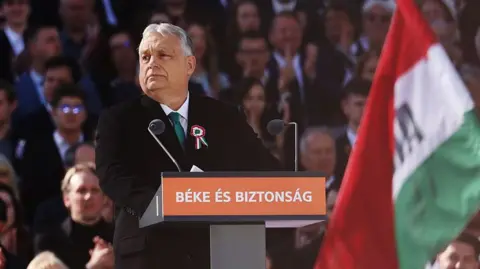
Hungary's upcoming parliamentary elections on 12 April have been plunged into controversy following the release of a new documentary alleging widespread voter intimidation orchestrated by Prime Minister Viktor Orban's ruling Fidesz party. The film, which premiered Thursday, claims systematic pressure, including financial incentives and illegal drugs, is being used to sway votes in rural communities where Fidesz is reportedly trailing in opinion polls.
Documentary Alleges Widespread Voter Intimidation Campaign
Titled "The Price of the Vote," the documentary presents the results of a six-month investigation by independent filmmakers and reporters. It asserts that large sums of money and illegal drugs are being offered to citizens to secure their votes for Fidesz, particularly in 53 of Hungary's 106 individual constituencies, potentially impacting up to 600,000 voters – approximately 10% of the anticipated six million turnout.
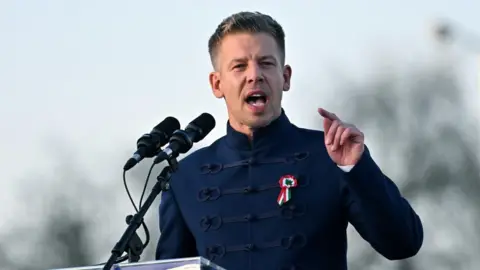
The allegations surface just weeks before the election, where recent polls suggest Fidesz, in power for 16 consecutive years under Orban, is trailing Peter Magyar's centre-right opposition Tisza party by a notable margin.
The Mechanics of Influence: Dependency and "Correct" Votes
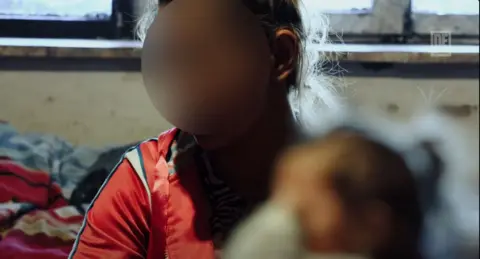
The film portrays a rural Hungary, particularly focusing on poor villages and the country's large Roma minority, where local mayors, often aligned with Fidesz, reportedly exert significant control. Interviewees claim that essential services such as work, firewood, transport to polling stations, and even access to medicine are contingent on voting for the "correct" party.
Specific allegations include a Fidesz mayor, also a district doctor for 32 settlements, reportedly denying prescriptions to patients who do not vote for the party. Another former candidate claims his bid for elected office was dropped after the child protection office allegedly threatened to take his children into care, pressuring him not to run against the preferred Fidesz candidate.

Financial Incentives and Disturbing Allegations of Drug Use
For voters reportedly offered money, sums mentioned typically range from 50,000-60,000 forints (£110-£133) per vote, a significant amount in communities where child benefit can be as low as £26-£43 per child per month. The documentary emphasizes that these tactics leverage the deep dependency and vulnerability of residents rather than merely buying votes.
Alarmingly, several characters in the film allege that "crack" or "smoky," a cheap and highly addictive synthetic drug prevalent in poor villages, is also being used to purchase votes. Despite Hungary's tough drug criminalisation laws and the police's Delta programme to combat the epidemic, critics argue the efforts have been ineffective.
Olley News Insight: Hungary's political landscape has seen a tightening grip by Fidesz over state institutions and media during Orban's long tenure. These allegations, if substantiated, highlight potential vulnerabilities within the democratic process, particularly in socio-economically disadvantaged areas where reliance on local officials is profound.
Accusations of Central Coordination and Official Silence
The filmmakers concluded that the sheer extent of the practice and the consistency of the stories across numerous villages, from the south to the north-east, suggest a practice planned by senior Fidesz officials. One serving police officer, speaking anonymously in the film, stated, "I didn't become a police officer to serve a corrupt system. To help cover things up."
The BBC reached out to government ministers, the interior ministry, and the national police for comment. The only response came from Minister for Public Administration and Regional Development Tibor Navracsics, who advised, "If there is any wrongdoing just let the ministry of interior do its job," declining to address specific allegations. These claims resonate against Prime Minister Orban's earlier address to local mayors, where he emphasized, "This election must be won by you."
A Campaign Shrouded in Allegations and Counter-Allegations
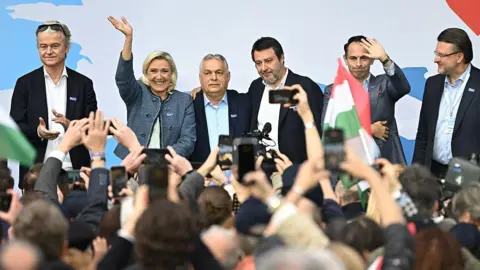
The release of "The Price of the Vote" comes amidst a highly charged electoral campaign already marked by daily claims of plots and foreign interference. Fidesz officials, including the Prime Minister, have accused the EU and Ukraine of attempting to prevent a fifth consecutive Orban victory. Conversely, independent media and the opposition Tisza party allege Russian involvement in support of Orban, who is often seen as a close ally of Vladimir Putin within the EU.
Adding to the complexity, recent reports by The Washington Post detailed alleged Russian intelligence proposals targeting Orban, and suggested Hungarian Foreign Minister Peter Szijjarto provided commentary on EU Council summits to his Russian counterpart. These accusations were initially dismissed by Szijjarto as "fake news," though he later defended his consultations with various international allies as serving Hungary's national interest.
Polls leading up to the election show conflicting results, with the Median agency reporting a significant lead for Tisza (58% to 35%), while the government-funded Nézöpont agency places Fidesz ahead (46% to 40%).
Key Takeaways
- A documentary, "The Price of the Vote," accuses Hungary's ruling Fidesz party of mass voter intimidation ahead of 12 April parliamentary elections.
- Allegations include offering money (50-60,000 forints per vote) and illegal synthetic drugs ("crack" or "smoky") to influence voters.
- The film claims these practices target up to 600,000 voters in 53 rural constituencies, primarily leveraging socio-economic dependency.
- Mayors are accused of controlling access to work, firewood, transport, and medicine in exchange for votes.
- Filmmakers suggest the intimidation is centrally planned by senior Fidesz officials, given the similar testimonies across 14 counties.
- The Fidesz government has largely remained silent on specific allegations, with one minister advising the interior ministry to investigate any wrongdoing.
- The election campaign is also characterized by counter-allegations of foreign interference, with Fidesz claiming EU/Ukraine plots and opposition citing Russian involvement.
- Opinion polls present conflicting views on the electoral outcome, showing Fidesz either trailing or holding a slight lead.


0 Comments