
Former Nepali Prime Minister KP Sharma Oli Arrested in Deadly Protest Crackdown Probe
Nepal's former Prime Minister, KP Sharma Oli, has been arrested following his alleged role in a brutal crackdown on anti-government protests last year that resulted in more than 70 fatalities. The detention marks a significant development in Nepal's political landscape, coming just a day after the nation swore in its new prime minister, Balen Shah.
High-Profile Arrests Made
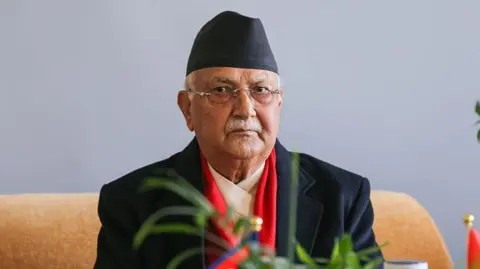
KP Sharma Oli, 74, and former Home Minister Ramesh Lekhak, 62, were taken into custody on Saturday. Their arrests stem from recommendations made by a specially appointed panel investigating the September protests, which advised prosecuting both individuals for criminal negligence.
Kathmandu Valley police spokesman Om Adhikari confirmed the arrests to Agence France-Presse, stating, "They were arrested this morning and the process will move forward according to the law." As of publication, no formal charges have been laid against either Oli or Lekhak.
Background to the Fatal Unrest
The widespread protests in September last year were initially ignited by a government ban on social media platforms. However, they quickly escalated, fuelled by deep-seated public frustration over rampant corruption, a stagnant economy, high unemployment rates, and perceived nepotism within the political class.
The crackdown on these demonstrations proved deadly, with over 70 individuals losing their lives, many reportedly shot by police forces. The violence included significant incidents on September 8th, where at least 19 people, including a teenager in school uniform, were killed during what became known as the "Gen-Z protests." Subsequent rallies saw further casualties and damage to public property.
Reactions and Political Context
Former Prime Minister Oli has vehemently rejected the findings of the investigative commission, branding them as "character assassination and hate politics." His legal representatives have argued that his detention is unwarranted, stating there is no risk of him absconding or evading questioning.
The arrests have been publicly supported by the new government. Sudan Gurung, the current Home Minister and a prominent figure in last year's protests, welcomed the development on Instagram, asserting, "No one is above the law... This is not revenge against anyone, just the beginning of justice." The arrests follow the swearing-in of 35-year-old rapper-turned-politician Balen Shah as the new Prime Minister, whose Rastriya Swatantra Party (RSP) secured a landslide victory in elections triggered by the crisis.
Olley News Insight: The arrests of former high-ranking officials signal a potentially transformative shift in Nepal's political accountability, especially under the new leadership of Prime Minister Balen Shah, who rose to power on a wave of anti-establishment sentiment and promises of justice for the protest victims.
Key Takeaways
- Former Nepali Prime Minister KP Sharma Oli and ex-Home Minister Ramesh Lekhak have been arrested.
- The arrests are linked to their alleged involvement in a deadly crackdown on protests in September last year, which killed over 70 people.
- An investigative panel recommended prosecution for criminal negligence against both Oli and Lekhak.
- The protests were initially sparked by a social media ban but were exacerbated by public anger over corruption and economic hardship.
- The arrests come a day after Balen Shah, a rapper-turned-politician, was sworn in as Nepal's new Prime Minister following his party's landslide victory.
- Families of the 76 victims have continuously called for officials to be held accountable.


0 Comments