
Israeli Air Strikes Intensify Across Lebanon, Destroying Key Bridges and Escalating in Beirut
Israeli military operations have escalated dramatically across Lebanon, with air strikes destroying two critical bridges over the Litani River in the south and hitting multiple targets in central Beirut. The intensified campaign, which Israel states targets Hezbollah infrastructure, has resulted in significant civilian casualties and a deepening humanitarian crisis.
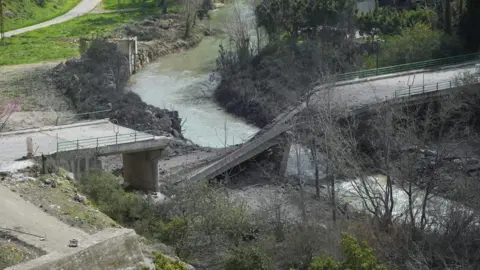
Critical Infrastructure Targeted in Southern Lebanon
Israeli air strikes on Wednesday successfully destroyed two bridges over the Litani River, crucial links connecting southern Lebanon with the rest of the country. This action follows a previous strike on the Zrarieh Bridge over the same river on Friday, which also sustained damage.
The Israeli military asserted that these crossings were being utilized by the Hezbollah armed group for moving fighters and weapons. Defence Minister Israel Katz described the actions as "direct action against Hezbollah's use of Lebanon's state infrastructure to advance terrorist activity." Hezbollah has not yet commented on these specific allegations.
Olley News Insight: The Litani River's Strategic Importance
The Litani River holds significant strategic importance in Lebanon's fragile security landscape. Under UN Security Council Resolution 1701, which concluded the 2006 conflict between Israel and Hezbollah, armed groups are prohibited from operating south of this river, a mandate Israel frequently asserts Hezbollah violates by maintaining a substantial presence there.
Escalation of Strikes in Beirut
Israeli strikes have expanded beyond the established Hezbollah stronghold in the southern suburbs of Beirut, now targeting multiple locations within the city center. Lebanese authorities report at least 12 people killed and 27 wounded in these recent strikes, marking a concerning widening of the conflict's scope.
One notable incident early Wednesday saw an Israeli air strike destroy a multi-storey building in Beirut's city centre, though a prior evacuation warning at 04:00 local time prevented casualties. The area, mere metres from residential buildings and hotels, was left shrouded in smoke and debris, with bystanders expressing shock and anger. Elsewhere, overnight strikes hit the town of Zefta in the Nebatieh district, south of the Litani River, reportedly without warning, leaving a 25-year-old local recounting being thrown across a room by the blast and asserting residents were "all civilians, not affiliated with anyone."
Widening Scope and Humanitarian Impact
The Lebanese health ministry indicates a severe humanitarian toll, with 968 people, including at least 111 children, killed since March 2. The latest Israeli warnings to evacuate have further exacerbated an already critical displacement crisis, forcing over a million people from their homes, predominantly in southern and eastern regions, as well as southern Beirut where Hezbollah's presence is strongest.
Israel asserts it is targeting not only Hezbollah fighters and leaders but also businesses allegedly linked to the group, which it claims finance military operations. This includes organizations like Al Qard Al Hassan, whose offices have reportedly been destroyed. Furthermore, Israeli bombardment continues relentlessly in south Beirut's Dahieh, described by some locals as resembling "Gaza," while also now hitting other parts of Beirut, sometimes with prior warning, and on other occasions without, leading to civilian casualties in what appear to be targeted attacks.
Key Takeaways
- Two vital bridges over the Litani River in southern Lebanon were destroyed by Israeli air strikes on Wednesday, following a strike on the Zrarieh Bridge on Friday.
- Israeli strikes have escalated into central Beirut, causing casualties and extensive damage beyond traditional Hezbollah strongholds.
- Israel justifies its actions by stating it targets Hezbollah's alleged use of state infrastructure and its financial network for terrorist activity.
- Over 968 people, including 111 children, have been killed in Lebanon since March 2, with more than a million displaced from their homes.
- The Litani River region remains a flashpoint, with Israel alleging Hezbollah's persistent presence south of the UN-mandated demarcation line.


0 Comments