
Senior Iranian Security Officials Killed in Israeli Air Strikes Amid Escalating Regional War
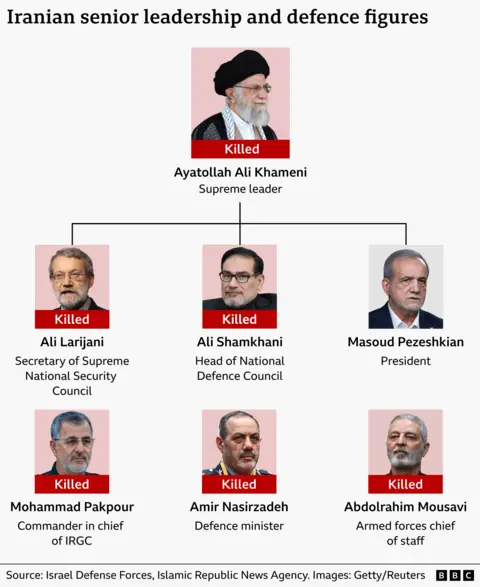
Iran's top security official, Ali Larijani, and the head of the paramilitary Basij force, Gholamreza Soleimani, have been confirmed dead following Israeli air strikes. The deaths mark a significant escalation in the ongoing regional conflict ignited by the assassination of Supreme Leader Ayatollah Ali Khamenei.
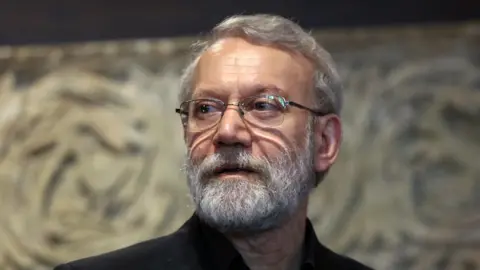
Key Iranian Figures Assassinated
Israeli Defence Minister Israel Katz announced the elimination of Larijani and Soleimani, stating they "joined Khamenei, the head of the annihilation programme, along with all those eliminated from the Axis of Evil in the depths of hell." Iranian authorities subsequently confirmed the deaths of both men, along with Larijani's son, Morteza, one of his aides, and bodyguards.
Larijani represents the most senior Iranian official assassinated since Supreme Leader Ayatollah Ali Khamenei was killed on February 28, an event that triggered the current widespread Middle East conflict.
Larijani's Post-Khamenei Leadership Role
The Israel Defense Forces (IDF) claimed responsibility for Larijani's death in a "precise strike" near Tehran the night before, asserting that Larijani had "consolidated his status as the de-facto leader of the Iranian regime" and led combat efforts against Israel and regional countries following Khamenei's elimination.
Larijani, a former IRGC commander and chief nuclear negotiator, was appointed secretary of the Supreme National Security Council (SNSC) last August. He was also described as an adviser to the late Supreme Leader and was reportedly tasked with devising a plan for the Islamic Republic's survival against major attacks.
Basij Commander Soleimani and Internal Repression
Gholamreza Soleimani commanded the Basij Resistance Force, a powerful volunteer militia estimated at one million members, controlled by the Revolutionary Guards (IRGC). The Basij is notorious for its role in suppressing internal dissent, particularly during intensified protests in Iran.
The IDF released video footage reportedly showing air strikes on Basij checkpoints across Tehran, linking these operations to Soleimani's command and the repression of protests where human rights activists report at least 6,508 protesters killed and 53,000 arrested.
Contradictory Reports and Public Appearances
Despite Israeli and Iranian confirmations of his death, Larijani's social media accounts posted an undated, handwritten note praising Iranian navy "warriors" killed in a recent US submarine attack. State media also read out a similar message attributed to Soleimani, hours before confirming his death.
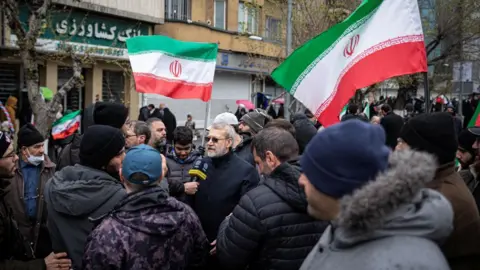
Larijani was last seen publicly at a Quds Day rally in Tehran last Friday. In contrast, Khamenei's son and presumed successor, Mojtaba, has not been seen publicly since being reportedly injured in the strike that killed his father.
Olley News Insight
The assassinations of Ali Larijani and Gholamreza Soleimani represent a profound blow to Iran's leadership structure, particularly following the death of Ayatollah Ali Khamenei. Larijani's reported role as de-facto leader and chief architect for national survival strategies, coupled with Soleimani's command over internal security, indicates Israel's willingness to target top-tier decision-makers and the instruments of state power. This development is expected to further intensify regional hostilities and destabilize Iran's political landscape.
Wider Regional Conflict and Casualties
The war, triggered by the initial strikes on February 28, has seen Iran retaliate with missile and drone attacks on Israel and US military facilities in Arab states. This escalation has caused oil prices to surge, with production stoppages in Gulf states and disruptions to exports through the Strait of Hormuz.
According to the Iranian government, over 1,300 people, including 226 women and 204 children, have been killed in Israeli and US strikes in Iran. Israel reports 12 deaths from Iranian missile attacks. The conflict has also impacted the UAE, where debris from an intercepted Iranian missile killed a Pakistani national, and oil loading was halted after drone attacks.
Public Reaction in Iran
Despite an internet shutdown imposed by Iranian authorities, some Iranians opposed to the establishment expressed satisfaction with the news of the deaths. A man from Tehran stated, "I think it was a very important step because the decision-making brains must be shut down." Another individual described feeling "so happy because they're criminals and have so much blood on their hands."
Key Takeaways
- Ali Larijani, Iran's top security official and former chief nuclear negotiator, and Gholamreza Soleimani, head of the paramilitary Basij force, have been killed in Israeli air strikes.
- The deaths were confirmed by both Israeli and Iranian authorities; Larijani's son and bodyguards also perished.
- Larijani was considered the de-facto leader of Iran after the assassination of Supreme Leader Ayatollah Ali Khamenei.
- Soleimani commanded the Basij militia, instrumental in suppressing internal protests in Iran, which resulted in thousands of deaths and arrests.
- The assassinations are a major escalation in a conflict that has caused oil price surges and spread across the Middle East, leading to significant casualties in Iran, Israel, and the UAE.


0 Comments