
Escalating Gulf Conflict: Key Industrial Sites Hit by Iranian Strikes
The Gulf region is facing a significant escalation in hostilities as a series of Iranian-backed attacks have targeted major industrial infrastructure across several nations. This intensification marks the fifth week of the broader conflict involving the United States, Israel, and Iran, raising concerns over regional stability and global economic implications.
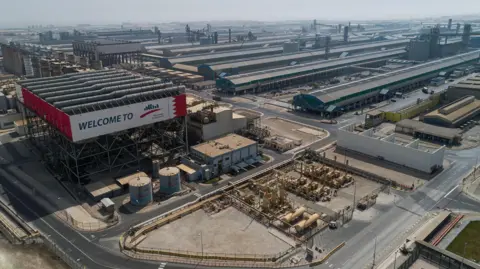
Industrial Sites Under Direct Attack
Reports from Gulf nations confirm direct hits on critical industrial facilities. The United Arab Emirates (UAE) stated that an Iranian strike on a key aluminium plant in Abu Dhabi resulted in injuries and significant damage, as reported by operator Emirates Global Aluminium.
Concurrently, state-controlled Aluminium Bahrain confirmed that two employees were wounded during an Iranian attack on one of the world's largest aluminium smelting facilities, Aluminium Bahrain.
Houthi Involvement and Economic Repercussions
The conflict expanded further with Yemen's Iran-backed Houthis officially entering the fray. The group announced it had launched missiles against Israel, targeting "sensitive" military sites, and pledged to continue such assaults. Israel confirmed it had intercepted two missiles originating from Yemen.
This development has amplified fears of economic disruption, particularly concerning global energy supplies. Iran has already effectively shut the Strait of Hormuz, a crucial shipping route between the Persian Gulf and the Gulf of Oman, leading to spikes in oil and gas prices. Should the Houthis extend their attacks to Red Sea shipping, a move previously seen in support of Hamas, energy prices could experience further dramatic increases.
Olley News Insight: The targeting of vital industrial infrastructure and the potential for disruption of key shipping lanes signify a dangerous escalation. Such actions not only threaten lives and regional stability but also carry significant global economic consequences, particularly for energy markets already under pressure.
Broader Regional Incidents
Beyond the industrial strikes, other Gulf nations have reported incidents. Oman announced an investigation into "cowardly attacks" after a foreign worker was reportedly injured in a drone strike on its southern port of Salalah, with no immediate claim of responsibility.
Kuwait's defence ministry also reported significant damage to the radar system at its international airport, attributed to an attack involving 15 drones.
Iran's Accusations and Threats of Retaliation
Tehran, for its part, accused Israel of targeting two of its steel production operations. In response, Iran's Islamic Revolutionary Guard Corps (IRGC) issued a stark threat of retaliatory action against the United States and Israel after two Iranian universities were reportedly hit. The IRGC declared that Israeli and American universities in the Middle East would be considered legitimate targets "until two of their universities are struck."
Israeli Strikes and Civilian Casualties
Meanwhile, Israel has continued its strikes against targets in Iran and Lebanon. In Lebanon, multiple journalists were killed in a targeted Israeli strike. The Israel Defense Forces (IDF) confirmed the death of Ali Shoeib, who worked for the Hezbollah-affiliated Al Manar TV, describing him as a "terrorist" from Hezbollah's elite Radwan Force operating under the guise of a journalist. The IDF did not provide evidence to support his alleged military role, nor did it comment on the deaths of other journalists, Fatima and Mohamed Ftouni.
Compounding the humanitarian impact, the World Health Organization reported that nine paramedics had been killed in southern Lebanon within a 24-hour period, bringing the total number of health personnel killed in March alone to 51.
Key Takeaways
- Major industrial sites in the UAE and Bahrain have been struck by Iranian attacks, resulting in injuries and significant damage.
- Yemen's Iran-backed Houthis have entered the conflict, launching missiles at Israel and raising concerns about potential attacks on Red Sea shipping.
- The conflict has already led to spikes in global oil and gas prices due to the closure of the Strait of Hormuz, with further increases possible.
- Other regional incidents include a drone strike on Oman's Salalah port and extensive damage to Kuwait's international airport radar system.
- Iran accuses Israel of targeting its steel operations and has threatened retaliatory strikes against US and Israeli universities in the Middle East.
- Israel has continued strikes in Iran and Lebanon, where journalists and paramedics have been killed, intensifying the humanitarian toll.


0 Comments