
Iranian Attacks Cripple Qatar's LNG Exports, Forcing Force Majeure on Global Contracts
Doha, Qatar – QatarEnergy CEO Saad al-Kaabi announced that recent Iranian attacks have severely damaged the nation's liquefied natural gas (LNG) export infrastructure, potentially leading to five-year force majeure declarations on critical long-term contracts with European and Asian partners.
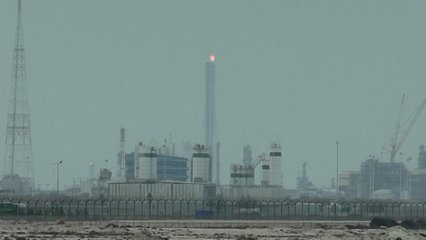
Qatar's Vital LNG Capacity Severely Compromised
Al-Kaabi confirmed to Reuters that two of Qatar's 14 LNG trains and one of its two gas-to-liquids facilities were damaged in Iranian strikes this week, wiping out 17 percent of its LNG export capacity. This amounts to 12.8 million tonnes of LNG production per year, causing an estimated $20 billion in lost annual revenue.
Repairs are projected to sideline production for three to five years. Al-Kaabi expressed profound disappointment, stating, "I never in my wildest dreams would have thought that Qatar would be... in such an attack, especially from a brotherly Muslim country in the month of Ramadan."
Middle East Conflict Escalates, Threatening Global Energy Supply
The damage follows a series of Iranian attacks this week on Gulf oil and gas facilities. These actions are a direct response to the Israeli military's bombing of Iran's South Pars offshore gasfield, part of a wider US-Israeli war on Iran that commenced on February 28.
Beyond direct damage, the conflict has effectively blocked the Strait of Hormuz, a crucial waterway for approximately one-fifth of global oil and LNG supplies. This disruption is fueling soaring petrol prices and escalating global inflation concerns.
Force Majeure Imminent for Long-Term LNG Contracts
CEO al-Kaabi indicated that QatarEnergy would likely declare force majeure on long-term LNG supply contracts, potentially for up to five years. These declarations would impact key importing nations including Italy, Belgium, South Korea, and China.
While shorter-term force majeure had already been declared on the entire output from the Ras Laffan production hub, which was targeted again this week, Al-Kaabi emphasized that production restart is contingent on the cessation of hostilities.
Iran Issues 'ZERO Restraint' Warning Amid Continued Strikes
Iranian Foreign Minister Abbas Araghchi issued a stark warning on Thursday, stating his country would show "ZERO restraint" if its infrastructure faces further attacks. He asserted that Iran's initial response utilized only a "FRACTION" of its power, attributing previous restraint to requests for de-escalation.
Araghchi's statement, made on X, underscored Iran's demand that any resolution to the conflict must address the damage inflicted upon its civilian sites.
Olley News Insight: The escalation of conflict targeting vital energy infrastructure in the Gulf carries significant geopolitical and economic ramifications. Qatar, a top global LNG exporter, plays a crucial role in international energy security. Disruptions of this scale could trigger a substantial rerouting of global energy flows, impacting prices and reliability for consumers worldwide and potentially exacerbating existing inflationary pressures.
Lasting Damage Threatens Regional Stability and Energy Security
The cost to rebuild the damaged units is estimated at $26 billion, a figure that underscores the severe economic blow to Qatar. Al-Kaabi lamented that the scale of the attacks has set the entire region back by 10 to 20 years.
He urged international actors, including Israel and the US, to "stay away from oil and gas facilities," stressing that regional energy infrastructure should not be a target in broader conflicts.
Key Takeaways
- QatarEnergy anticipates five-year force majeure on LNG contracts due to Iranian attacks.
- 17% of Qatar's LNG export capacity, equating to 12.8 million tonnes per year, has been disabled, incurring an estimated $20 billion in annual revenue loss.
- The attacks are part of an escalating conflict following Israel's bombing of Iran's South Pars gasfield and a wider US-Israeli war on Iran.
- Disruptions to the Strait of Hormuz and damaged facilities are driving global petrol price increases and inflation concerns.
- Iran has warned of "ZERO restraint" if its infrastructure is attacked again, demanding accountability for civilian site damage.
- QatarEnergy CEO Saad al-Kaabi estimates the damage will set the region back 10-20 years and calls for the protection of energy facilities.


0 Comments