
Europe Grapples with Renewed Energy Crisis as Middle East Conflict Awakes Past Fears
Europe is once again confronting deep energy-linked frustrations, as the unfolding conflict in the Middle East triggers price spikes and threatens to dominate an upcoming summit of European leaders. The situation draws stark parallels to the energy crisis that followed Russia's full-scale invasion of Ukraine, raising urgent questions about the continent's long-term energy security and its reliance on external suppliers.
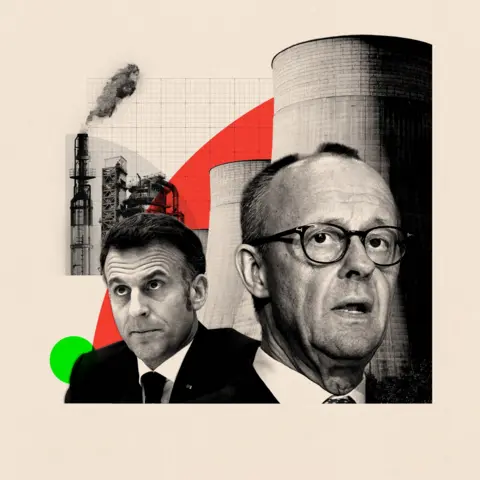
Europe Faces Renewed Energy Crisis Amidst Middle East Conflict
Just four years after the European Union vowed to break its dependency on Russian energy, a new geopolitical crisis is exposing familiar vulnerabilities. A highly frustrated European diplomat, speaking anonymously, expressed dismay: "We swore we'd learn. We promised things would change but here we are." This current energy shock, triggered by the escalating Middle East conflict, is expected to dominate a summit of European leaders in Brussels this Thursday.
Instead of focusing on long-term competitiveness, leaders are now reportedly in a panic over energy prices, concerned about angry voters and scrambling for short-term fixes, echoing the dilemmas faced during the crisis after Russia's full-scale invasion of Ukraine.
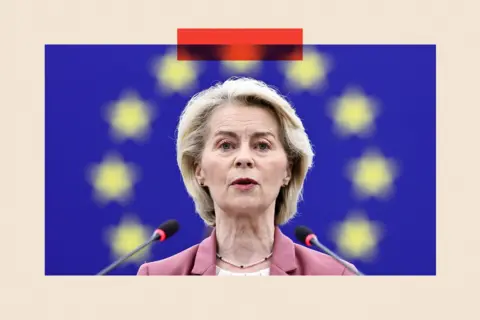
Echoes of 2022: Europe's Recurring Vulnerability
Seven months into Russia's invasion of Ukraine in 2022, European Commission President Ursula von der Leyen accused Russia of manipulating the EU's energy market. She declared it "a war on our energy, a war on our economy, a war on our values and a war on our future," urging Europe to pivot from Russian gas to more dependable partners. While the EU moved swiftly to cut ties, reducing Russian oil imports to just 2% and planning an end to all Russian gas by next year, the underlying issue of external dependency persists.
Before the Ukraine invasion, Russia supplied an estimated 55% of Germany's natural gas. Europe's "diversification" strategy, aimed at never again being dependent on a single energy supplier, has resulted in a heavy reliance on Norway and the United States instead, indicating a shift in partners rather than a fundamental change in security.
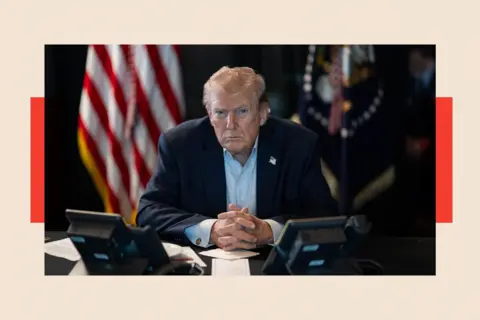
The US Role and the Price of New Alliances
The United States, under President Donald Trump, has become a key linchpin in Europe's energy provisions. Europe rapidly shifted from Russian pipeline gas to liquified natural gas (LNG) in 2022, making the continent the world's largest LNG importer. The US supplies a significant 57% of total LNG imports to the EU, with Germany receiving as much as 96% of its LNG from America.
This reliance has been leveraged by the Trump administration. President Trump threatened the EU with painful 30% tariffs on exports, leading President von der Leyen to sign a deal for the EU to spend $750bn (£568bn) on US oil, LNG, and nuclear technologies over three years, in exchange for reduced tariffs. While presented as a strategic move to lessen Russian fossil fuel reliance, critics argue it placed the bloc in a clear position of weakness.
Middle East Conflict Triggers Global Price Spikes
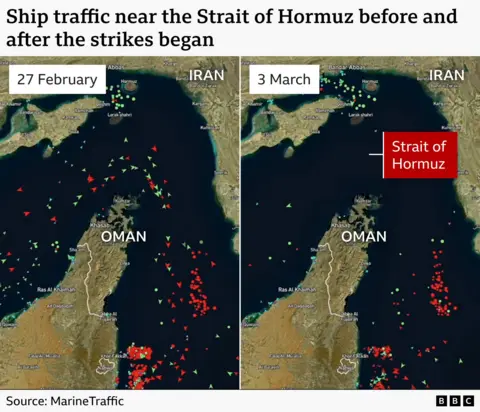
The blocking of the Strait of Hormuz by Iran since February 28, following attacks on Tehran, has directly impacted global energy markets. As a critical oil transit choke point, its effective closure, even without extensive direct European oil or LNG imports from the Middle East, provoked significant price volatility. On March 2, oil prices spiked approximately 8%, and European gas prices jumped about 20%.
This situation underscores Europe's extreme vulnerability to global price fluctuations during crises. Dan Marks, an energy security specialist at Rusi, notes that while Europe's wealth allows it to out-pay other regions for supplies, the fundamental challenge remains cost and competitiveness. He warns of "wildcards" such as US domestic policy shifts or natural disasters impacting supply, further highlighting Europe's precarious position.
Vulnerability to Global Chokepoints
The effective closure of the Strait of Hormuz vividly illustrates Europe's ongoing vulnerability to disruptions in global shipping routes, regardless of direct import origins. The sudden scarcity and uncertainty about the crisis's duration directly translate into higher energy costs for European consumers and industries. Norway, now the EU's largest gas supplier, also faces challenges, operating near maximum output and lobbying against EU policies to end oil and gas development in the European Arctic, further complicating the energy debate.
Olley News Insight: Europe's current energy predicament underscores a cyclical challenge. Despite past pledges to learn from crises and achieve energy independence, geopolitical events continue to expose deep-seated vulnerabilities and a reliance on external factors, making sustained stability elusive.
Divisions and Short-Term Fixes Dominate EU Summit
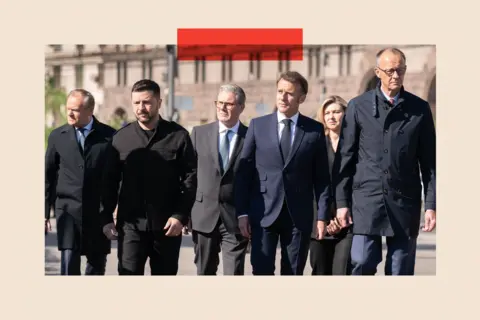
The hunt for immediate solutions will dominate Thursday's EU summit, with leaders deeply concerned that spiraling energy costs, potential inflation, and refugee influxes could alienate voters and bolster populist politicians. Ursula von der Leyen has emphasized the need to "deliver relief now" and "reduce people's energy bills." Proposals under consideration include reviewing taxes and introducing price caps for consumers.
Outside the bloc, the UK government is also facing pressure to support households with rising energy costs, with Treasury officials re-examining preparatory work from the 2022 energy shock.
The Emissions Trading System Under Scrutiny
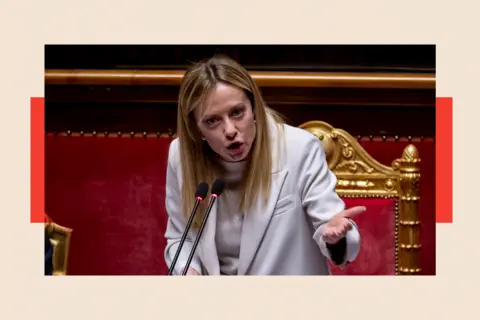
The crisis is fueling a raging debate over the EU's two-decade-old Emissions Trading System (ETS), which mandates a carbon price for polluting industries. Opponents argue that soaring energy costs warrant weakening or abolishing it, while proponents believe it would penalize greener companies. Italian Prime Minister Giorgia Meloni has called for the "urgent suspension of the application of the ETS to electricity production," highlighting the pressure to alleviate immediate economic impacts.
Long-Term Strategies and Political Hurdles
EU governments have tasked the European Commission with accelerating electrification, noting China's advanced energy security strategy centered on shifting away from direct oil and gas consumption. More than 30% of China's final energy consumption comes from electricity, compared to less than a quarter in the EU. However, deep divisions within Europe, including controversial calls like Belgium's Prime Minister Bart De Wever for normalizing relations with Russia for cheap energy, hinder unified long-term planning.
Experts like Georg Zachmann from Bruegel highlight the "madness" of under-utilised renewable potential, like solar in southern Italy, and question the credibility of ambitious EU targets for 2030 and 2040 given current political and cost sensitivities. Additionally, political shadows from Brexit continue to impede closer, mutually beneficial energy cooperation between the EU and the UK.
Key Takeaways
- Europe is experiencing a significant energy shock due to the Middle East conflict, echoing the 2022 crisis post-Ukraine invasion.
- Despite diversification efforts, Europe remains heavily reliant on external energy suppliers, particularly the US for LNG and Norway for gas.
- The blocking of the Strait of Hormuz has caused immediate and substantial spikes in global oil and European gas prices.
- An upcoming EU summit aims to address short-term solutions like price caps and tax reviews to ease consumer and industry burdens.
- Deep internal divisions persist within the EU regarding long-term energy strategy, including the future of the Emissions Trading System (ETS).
- Experts warn that while Europe can secure supplies, the ongoing challenge is cost and competitiveness, with a need for better stockpiling and consumption reorganisation.


0 Comments