
Ghana Spearheads UN Vote Demanding Slavery Reparations and Artefact Returns
Ghana has taken a leading role at the United Nations General Assembly, presenting a resolution that seeks to recognize the transatlantic slave trade as the "gravest crime against humanity." This landmark proposal calls for member states to consider apologies, contribute to a reparations fund for victims, and facilitate the return of stolen cultural artefacts.
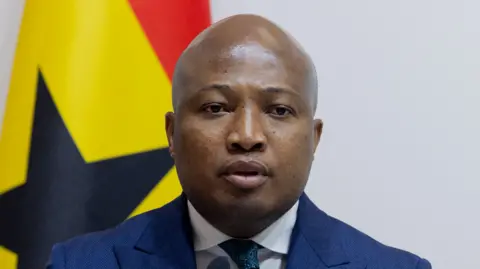
Call for Justice and Reparations
Ghana's Foreign Minister, Samuel Okudzeto Ablakwa, emphasized that the resolution is a pursuit of justice, not personal gain for African leaders. He stated that the demanded compensation would be directed towards supporting educational, endowment, and skills training funds for victims and their descendants.
Ablakwa described slavery as "the most horrendous crime that took place in the history of mankind," reinforcing that Ghana is not ranking its pain but documenting a historical fact.
The Scale of the Crime
The resolution highlights the immense human cost of the transatlantic slave trade, which forcibly transported an estimated 12 to 15 million people from Africa to the Americas between 1500 and 1800. Over two million individuals are believed to have perished during the brutal journey.
Ghana, having served as one of the primary gateways for this trade, has historically been a strong advocate for reparations.
Return of Cultural Artefacts
Beyond financial compensation, the resolution also urges the repatriation of cultural artefacts looted during the colonial era. Minister Ablakwa underscored the profound significance of these items, stating, "All those artefacts looted for many centuries into the colonial era ought to be returned," as they represent Africa's heritage, culture, and spiritual identity.
International Resistance and Advocacy
The proposal is anticipated to encounter opposition, particularly from nations like the United Kingdom, which have consistently rejected reparations on the grounds that contemporary institutions cannot be held accountable for historical transgressions.
Despite this, advocates including the African Union and Ghanaian President John Dramani Mahama, who called the resolution "historic" and "a safeguard against forgetting," view it as a crucial step towards healing and achieving justice.
Key Takeaways
- Ghana leads a UN resolution to classify the transatlantic slave trade as the "gravest crime against humanity."
- The resolution demands compensation in the form of educational, endowment, and skills training funds for victims.
- It also calls for the return of cultural artefacts looted during the colonial era.
- An estimated 12-15 million Africans were enslaved, with over two million dying during transport.
- The UK and other nations are expected to resist paying reparations, citing historical distance.
Olley News Insight
This resolution marks a significant escalation in the global conversation surrounding historical injustices. While direct financial reparations face considerable diplomatic hurdles, the emphasis on victim support funds and the return of cultural heritage broadens the scope of reconciliation efforts, potentially setting new precedents for addressing legacies of colonialism and slavery.


0 Comments