
Seoul Prepares for Historic BTS Comeback Concert Amidst Fan Frenzy and City-Wide Preparations
South Korea's capital is buzzing with anticipation as an estimated 260,000 fans are expected to converge on Gwanghwamun Square this Saturday for the highly-anticipated comeback concert of global sensation BTS. This marks the group's first full-group performance since October 2022, following their hiatus for mandatory military service.

Historic Comeback at Gwanghwamun Square
Set against the iconic backdrop of a 14th-century royal palace gateway, the seven K-pop stars – RM, Jin, Suga, J-Hope, Jimin, V, and Jung Kook – will perform a one-hour set. The concert will feature songs from their new, long-awaited album, "Arirang," which was released on Friday afternoon.
For South Korea, this event transcends a typical K-pop comeback; it signifies the return of a potent cultural force that has significantly boosted Korean soft power globally through its distinctive blend of pop music and electrifying dance.
Accessing the Global Phenomenon
While a massive crowd is anticipated, only approximately 22,000 fans who secured free tickets will gain entry to a specially cordoned-off area within Gwanghwamun Square. Ami Ostrovskaia, a student who moved to Seoul from Russia, expressed the band's profound impact on her life, stating, "BTS is the reason I'm here."
Thousands more, like German architect Margarita Perez and Mexican teacher Jacqueline, will gather outside the main venue to watch the performance on giant screens. Jacqueline highlighted the sentiment of many fans, "The last few years have been a sad time for [the BTS] Army. I loved their solo albums, but they're more amazing when they're together." For the millions of global fans, the concert will be live-streamed exclusively on Netflix, which also has rights to a documentary on the band's reunion, reflecting the platform's significant investment in Korean entertainment.

Arirang: A New Chapter with Deep Roots
The new album, "Arirang," takes its name from Korea's most cherished folk song, an anthem symbolizing resilience and hope. The band draws a parallel between their global reach and the first known recording of "Arirang" in the United States in 1896, performed by seven Korean men at Howard University, positioning themselves as modern-day cultural ambassadors.
This comeback concert and album mark the culmination of years of anticipation since BTS embarked on a hiatus in 2022 for mandatory military service. With all members now having completed their service, the group is poised for their 82-date world tour across more than 30 cities, beginning next month. The stakes are high as they re-enter an increasingly competitive K-pop landscape.
Seoul on High Alert: Security and Economic Boost
Seoul authorities are implementing extensive measures to manage the massive influx of people. Landmarks across the city will glow purple, the band's signature color, while approximately 7,000 police officers, including SWAT units with anti-drone systems, will be deployed. Access to dozens of buildings will be restricted, three nearby subway stations will close, and Gwanghwamun Square itself will have 31 entry points fitted with metal detectors. Civilians will also be temporarily barred from retrieving firearms, underscoring the heightened security.
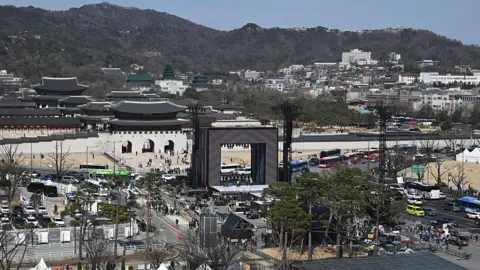
The concert is also anticipated to deliver a significant economic boost. The Korea Culture & Tourism Institute previously estimated that a single BTS performance could generate up to $842 million, encompassing ticket sales, merchandise, accommodation, and tourism. This tour is projected to generate over $1 billion in revenue by its conclusion in 2027. Local businesses, from hotels raising prices to seafood restaurant owners like Kim Sung-dae preparing multilingual menus and purple decorations, are eagerly awaiting the rush of international visitors.
Local Perspectives: Convenience vs. Cultural Pride
While the city prepares, the concert has sparked debate among locals regarding the balance between the global spotlight and local inconvenience. The extensive closure of Gwanghwamun Square has forced pedestrians into long detours and created stress for events like a wedding planned nearby.
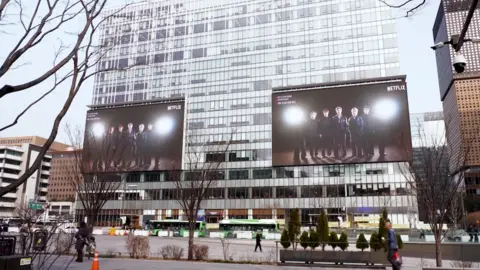
A Seoul city official confirmed that authorities are providing venue, crowd management, and safety measures without direct financial support. Critics on social media, like pop music critic Jung Min-jae, question the precedent set by allowing an event that "effectively paralyses parts of the city centre." However, many residents view the inconveniences as a small price for the immense global prestige BTS brings to the nation, with one local stating, "BTS has done so much for Korea, elevating our image abroad... Why can't we share the Gwanghwamun public space for their performance just one Saturday?"
The ARMY's Battle for Tickets
The demand for concert tickets was immense, with 13,000 free tickets vanishing instantly amidst a queue of over 100,000 online users, and a subsequent 7,000 also selling out within minutes. The allocation of free tickets has generated some controversy among dedicated fans who feel it reduces their chances, prompting campaigns against resales and "no-shows."
Despite enhanced safety measures, the sheer volume of expected attendees has raised concerns for some, including wheelchair user Park Su-bin. However, for fans like Ami Ostrovskaia, who initially missed out but later secured a ticket, the opportunity to see the full group perform after years of waiting is profoundly meaningful.

Key Takeaways
- Global K-pop phenomenon BTS is holding a comeback concert at Seoul's Gwanghwamun Square this Saturday, their first full-group performance since October 2022.
- An estimated 260,000 fans are expected, though only 22,000 secured free tickets for the cordoned-off main venue.
- The group released their new album, "Arirang," on Friday, a title inspired by a cherished Korean folk song.
- Seoul authorities have deployed 7,000 police, implemented extensive crowd control, and restricted access to manage the event.
- The concert is projected to generate significant economic benefits, with an estimated $1 billion in revenue for the full tour.
- The event has sparked local debate balancing cultural pride with urban inconvenience and logistical challenges.
The BTS comeback concert underscores the unparalleled global influence of K-pop and its flagship group. Beyond entertainment, it highlights the intricate dance between massive cultural events, urban management, and the profound economic and social impact they wield on host cities like Seoul, solidifying South Korea's position as a global cultural powerhouse.


0 Comments